 Human Skills
Traps and Pots
Funnels, escape gaps and the gear you must never lose
5 minIntermediateUpdated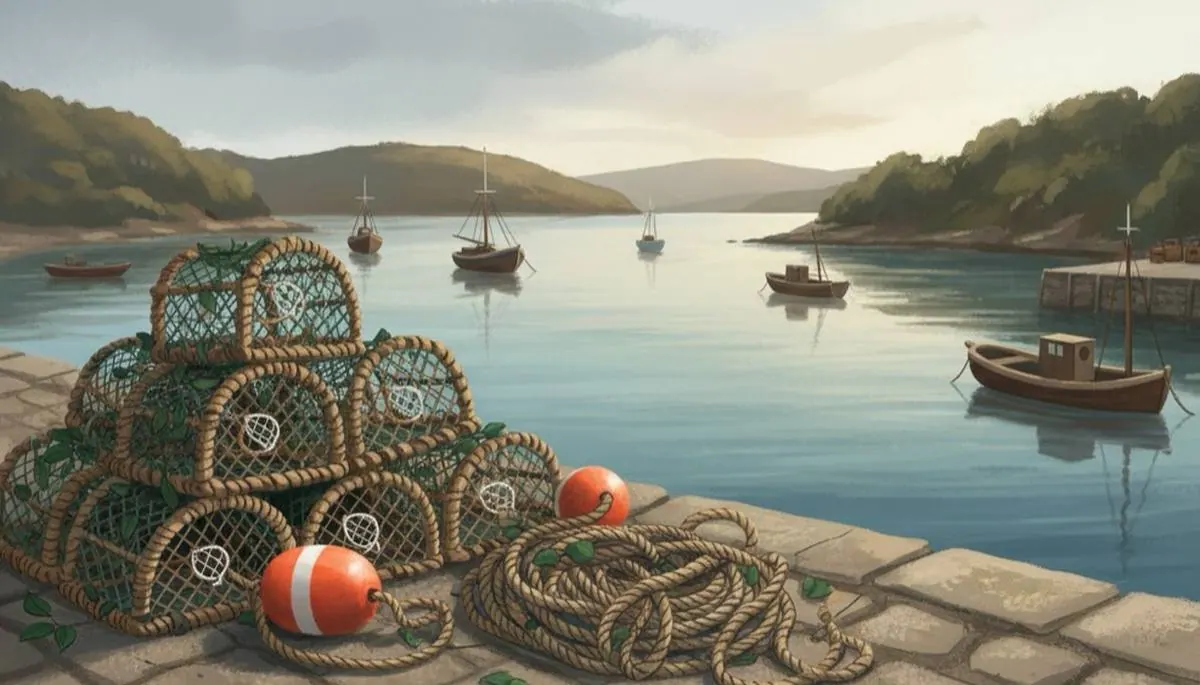
- Describe how a funnel entrance holds a catch
- Fit escape gaps and explain what they protect
- Mark and retrieve pots so none become ghost gear
The funnel principle
Every trap works the same way. A wide opening narrows to a small throat that points inward, so a crab or a fish follows the smell of bait through a shape that is easy to enter and almost impossible to find again from inside. The animal circles the wall looking for a gap and never turns back to the cone it came through. Traps range from a folded wire minnow trap the size of a loaf to a steel and netting crab pot you need two hands to lift. The bait sits in a perforated pot or a mesh bag in the centre so it leaks scent without being eaten in minutes.
Minnow traps for bait
A small mesh trap is the cheapest way to get live bait, and in many places it is the one trap a recreational licence actually allows. Bait it with bread, dry cat food or crushed shellfish in a perforated tub, drop it in shallow weedy margins or a harbour wall, and leave it thirty to ninety minutes. You will get minnows, gobies, prawns and small crabs. Keep the catch in a bucket of the same water, shaded, and use it the same day. Never move live bait from one water body to another. That is how invasive species and fish disease spread between rivers.
Crab and octopus pots
Crab pots sit on sand or mixed ground near structure, baited with oily fish such as mackerel heads. Octopus gear is different: an octopus is not looking for food, it is looking for a den, so traditional Mediterranean fishers use unbaited clay pots or plastic shelters on a ground line. Both kinds soak best overnight and are lifted at slack water when the pull is lightest. In Portugal octopus and crustaceans carry minimum sizes, closed seasons and gear limits that change year to year, and pot fishing is frequently a commercial licence only. Check DGRM before you put anything on the seabed.
Escape gaps and why they matter
An escape gap is a rigid rectangular opening in the side of a pot, sized so undersized crabs and small fish walk out on their own. Typical crab gaps run around 46 by 120 millimetres, but the legal size is set locally and you must use the local number. Gaps mean the animals you are not allowed to keep never spend a night crushed in the bottom of the pot, and they stop you sorting through a pile of juveniles by torchlight. A second feature, the rot cord, is a short length of untreated cotton holding one panel shut. If the pot is lost, the cotton rots in weeks and the panel falls open.
Marking, retrieving and ghost gear
Gear on the seabed needs a surface marker, usually a buoy on a line at least a third longer than the deepest water on the tide, carrying your identification where that is required. Record positions on paper as well as on a phone. Lost pots become ghost gear: they keep trapping, the catch dies, and the dead catch baits the pot again in a cycle that can run for years until the mesh fails. That is why rot cords and biodegradable panels exist. If you lose a pot, go back at the next low spring tide and look for it, and report persistent losses to your local authority.
Check yourself
The narrowing throat points inward, so the animal circles the wall and never relocates the cone it entered through.
Correctly sized rigid gaps release juveniles before they are crushed or held overnight, and save you sorting a pile of undersized crabs.
The cotton fails within weeks in seawater, a panel falls open, and the ghost fishing cycle is broken.
Moving live bait between waters spreads invasive species and fish disease, and is illegal in many regions.
Try it for real: Build and test one legal minnow trap
- Confirm with your national authority that a small bait trap is legal on your water
- Build or buy a mesh trap and add a cotton rot cord to one panel
- Bait it with bread in a perforated tub and set it in a shallow weedy margin
- Lift after one hour, identify everything inside, release all of it
- Write down what species you found and at what time of day
🛒 Gear for this skill
As an Amazon Associate I earn from qualifying purchases. It costs you nothing extra and keeps this site free.
Next lesson: Nets and What They Cost →
Written and checked by the Human Skills team against the sources below. How we check our content
- FAO
- DGRM
Related lessons
Rod, Reel and Line
The three parts that do all the work
Hooks, Sinkers, Floats and Your First Rig
Small parts, big difference
Passive Lines That Fish Without You
Set lines, hand lines and float lines, and the law that governs them
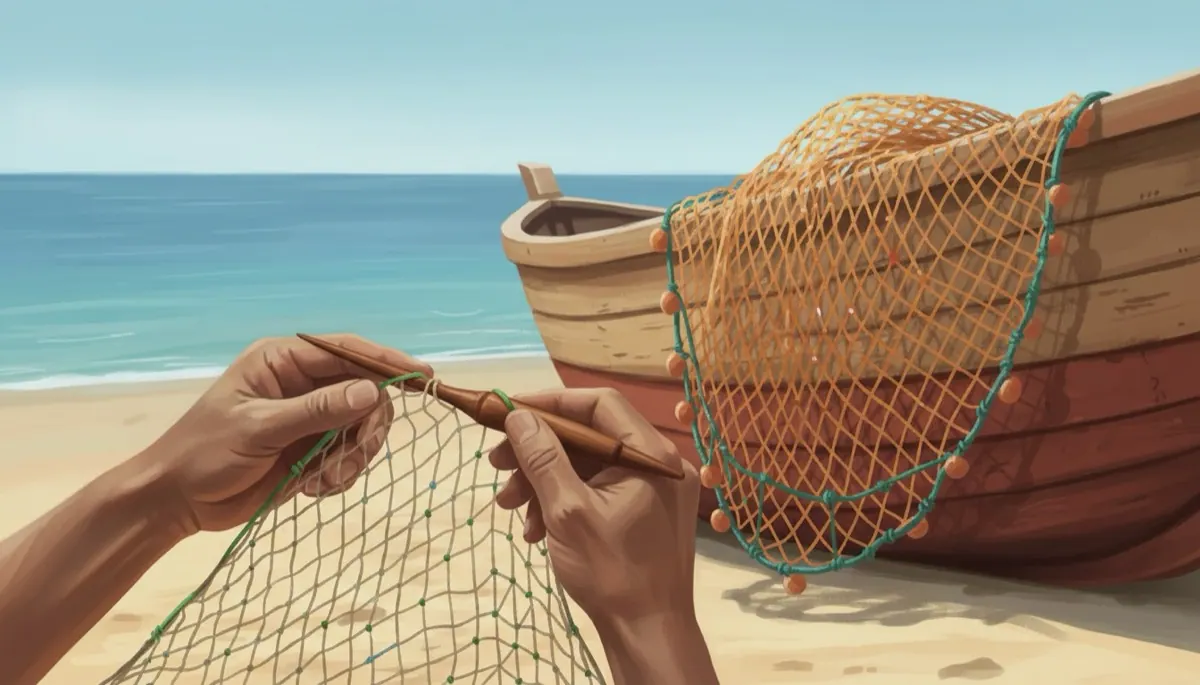
Nets and What They Cost
Cast, gill and seine nets, mesh size and hand repair