Human Skills
Who Is Eating My Plants
Identify the ten pests behind most damage
5 minIntermediateUpdated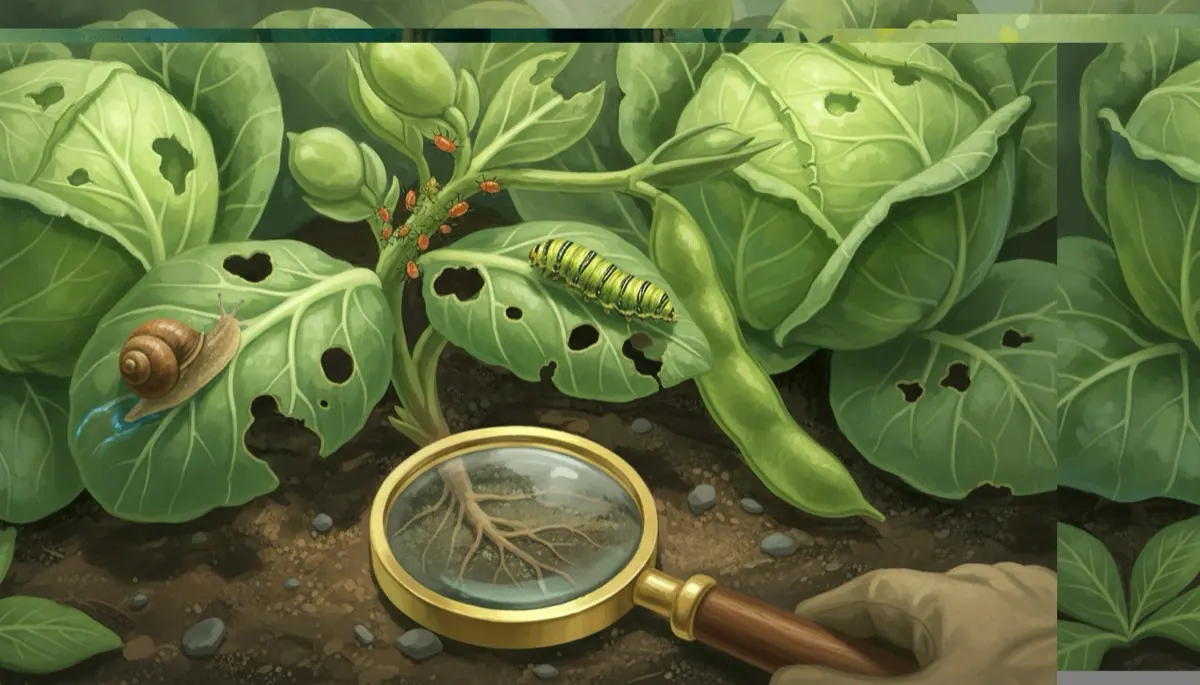
- Read the damage pattern to name the pest
- Tell pests apart from their beneficial look-alikes
- Decide when damage is worth acting on
Read the damage first
Look at what is missing before hunting the culprit. Ragged holes and silver slime trails on leaves at soil level, worst after rain, mean slugs and snails. Neat round holes in brassica leaves with green droppings mean caterpillars, usually cabbage white butterfly. Curled, sticky new shoots covered in tiny green, black or grey insects mean aphids. Fine yellow speckling with faint webbing under leaves in hot dry weather means spider mites. Wilted seedlings cut off at the base overnight mean cutworms. Tunnels inside leaves mean leaf miners. Take a photo and check at night with a torch: half the culprits work after dark.
Slugs, snails and caterpillars
Slugs and snails cause more losses in a home garden than everything else combined, especially to seedlings. They hide by day under boards, pots and mulch edges and feed at night in damp weather. A single large slug eats a lettuce seedling in one sitting. Caterpillars are the larvae of moths and butterflies. Cabbage white lays clusters of yellow eggs under brassica leaves in spring and summer; the green caterpillars strip a plant in days. Tomato and pepper fruit with a neat hole and frass inside is the tomato fruitworm or, in Mediterranean areas, the tomato leaf miner moth Tuta absoluta, which mines leaves and bores fruit.
Sap suckers
Aphids cluster on soft new growth and flower buds. They breed without mating and a colony doubles in days, weakening plants and spreading viruses. Ants farming them for honeydew are a giveaway. Whitefly are tiny white moths that fly up in a cloud when you brush tomato, brassica or bean leaves. Spider mites are almost invisible but leave bronzed leaves and fine webs in hot dry spells, common in greenhouses and on balconies. Thrips leave silvery streaks on onion and pepper leaves. All of these are worst on plants that are stressed, overfed with nitrogen, or growing in still, hot air.
Below ground and bigger animals
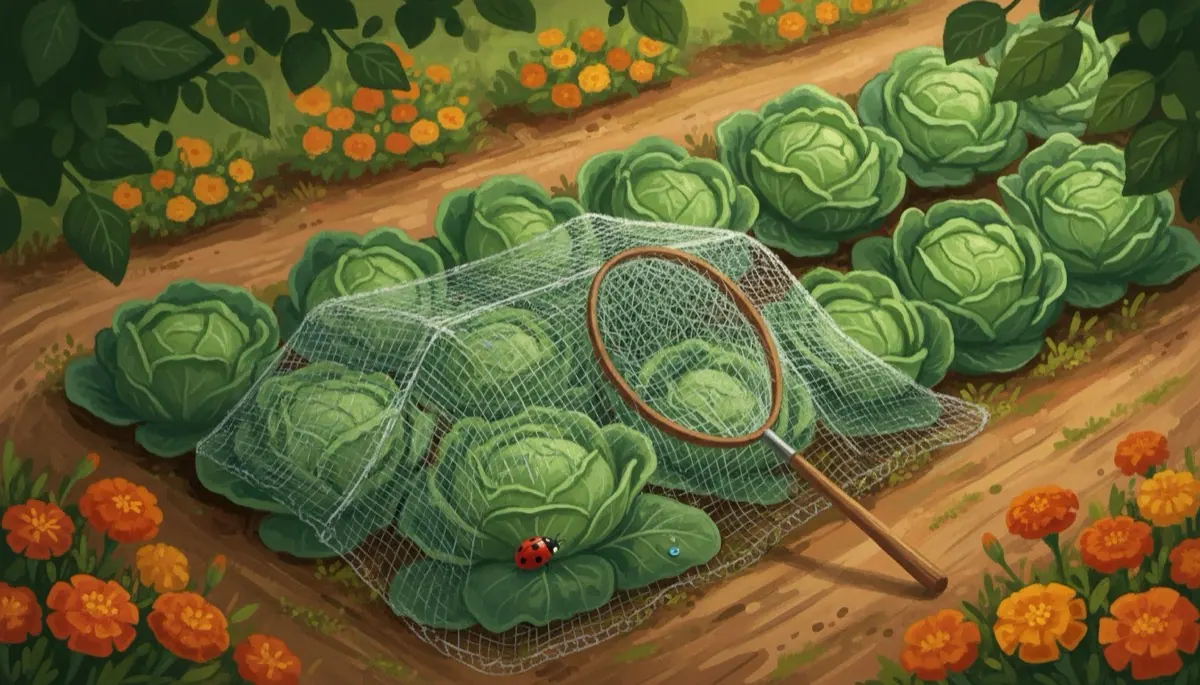
Carrot fly larvae tunnel into carrots and parsnips leaving rusty tracks; the fly flies low, so a 60 cm mesh fence or fleece cover stops it. Wireworms and leatherjackets eat potato tubers and roots in beds recently converted from grass. Root aphids and vine weevil grubs, fat white C-shaped larvae, kill strawberries and container plants from below. Birds pull up seedlings and strip fruit; pigeons flatten brassicas. Mice dig up peas and beans. Rabbits and deer eat almost anything. For these, physical barriers such as netting, fences and cloches beat any spray.
Friends that look like foes
Before you squash anything, check it is not on your side. Ladybird larvae look like tiny grey-black alligators with orange spots and eat 50 aphids a day. Hoverfly larvae are small green or brown maggots on aphid colonies, and the adults look like slim wasps that hover. Lacewing larvae are brown with big jaws. Ground beetles, shiny black and fast, hunt slugs at night. Centipedes, fast with one leg pair per segment, are predators; slow millipedes with two pairs are mostly harmless recyclers. Wasps in summer collect caterpillars for their young. Earthworms are never pests. Spiders are always allies.
Check yourself
Slime trails are the signature of slugs and snails, which feed at night and in damp weather.
Spider mites thrive in heat and low humidity, and their webbing under leaves is the giveaway.
Ladybird larvae look nothing like the adults but are among the best aphid predators in the garden.
The adult fly cruises close to the ground, so a low physical barrier keeps it off the crop.
Try it for real: Do a night patrol and a day survey
- Go out with a torch one hour after dark and list what you find on leaves and soil
- In daylight, check under the leaves of three different crops and photograph anything unfamiliar
- Identify each find as pest, ally or harmless using this lesson
- Estimate the percentage of damage on your worst-hit plant and decide if action is needed
🛒 Gear for this skill
As an Amazon Associate I earn from qualifying purchases. It costs you nothing extra and keeps this site free.
Next lesson: Managing Pests Without Poison →
Written and checked by the Human Skills team against the sources below. How we check our content
- RHS Pest Identification Guides
- FAO Integrated Pest Management
- University of California IPM Program