Human Skills
No-Dig and When to Dig Anyway
Structure, fungi, cardboard and honest exceptions
5 minIntermediateUpdated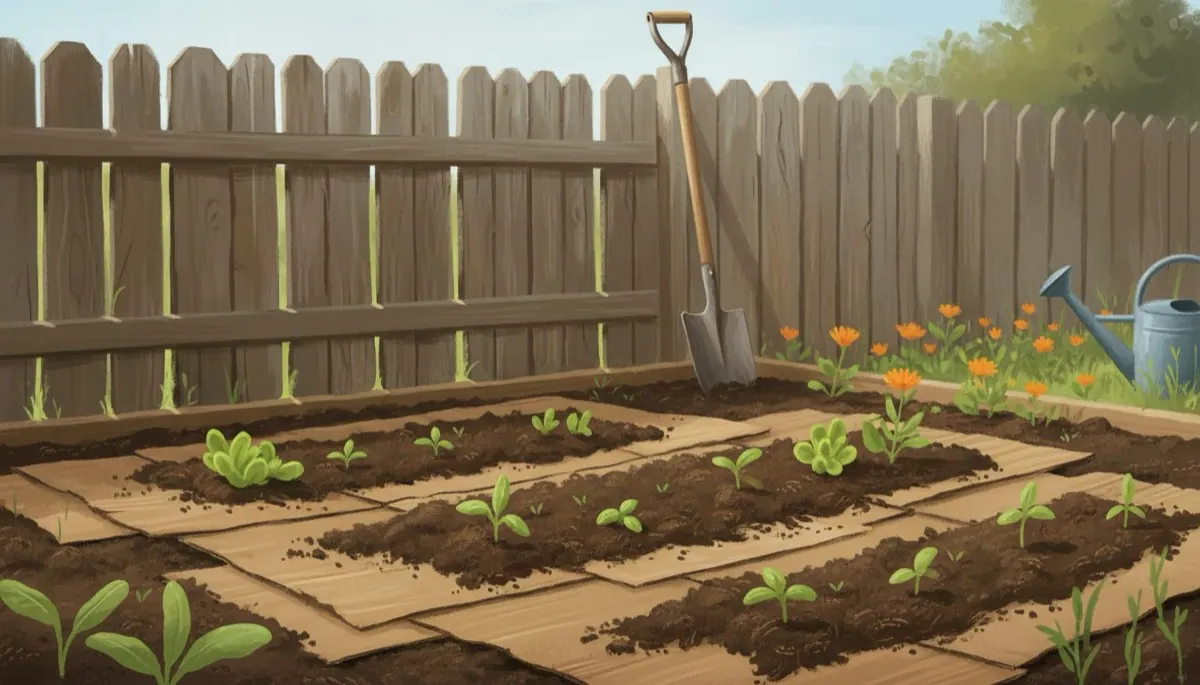
- Explain what digging does to structure and fungal networks
- Start a bed on grass with cardboard and compost
- Recognise the four cases where digging is still right
Why structure matters
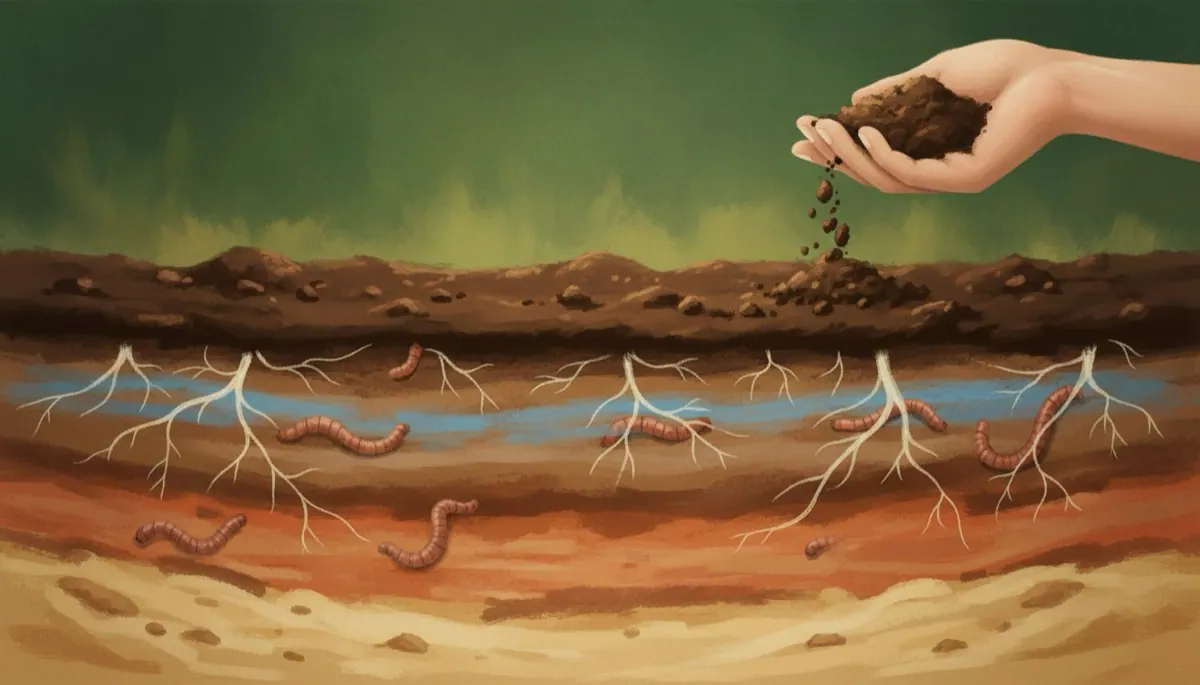
Healthy soil is about 45 percent mineral, 5 percent organic matter and 50 percent pore space, half of that air and half water. Those pores are built by roots, worms and fungal threads glueing particles into crumbs. A spade inverts the profile, shatters the crumbs and exposes organic matter to air, which burns it off as carbon dioxide. Repeatedly dug soil slumps, caps after rain and needs digging again, a loop that is hard to leave. Mycorrhizal fungi extend the root system of most vegetables, reaching phosphorus and water the roots cannot, and their networks are severed every time the soil is turned. Leave the soil alone and feed the surface, and the soil does the cultivating.
Starting a bed on grass
Cut the grass as short as you can and water the ground if it is dry. Lay plain brown cardboard over the whole area, overlapping every joint by at least 15 cm, with all tape, staples and glossy print removed. Wet the cardboard thoroughly. Spread 10 to 15 cm of compost or well-rotted manure straight on top, which is 100 to 150 litres per square metre for a first bed. You can plant into it the same day: potatoes, squash, courgettes and beans go in through the compost, seeds wait until the second season when the surface is finer. The cardboard smothers the grass and is gone in three to six months, leaving worms to mix compost into the soil below.
Mulch depth after year one
Once the bed is running, an annual 2.5 to 5 cm of compost on the surface in autumn or late winter is all it needs. Do not bury the crowns of perennials and keep mulch a few centimetres clear of tree and shrub stems to avoid rot. For weed suppression rather than feeding, a coarser mulch of straw, leaves or wood chip needs 7 to 10 cm to block light, because anything under 5 cm simply lets annual weeds through. Wood chip belongs on paths and around perennials, not on annual vegetable beds. Pull the mulch back in early spring on cold, wet soil, because a thick blanket keeps the ground several degrees colder and delays sowing.
When digging is the right answer
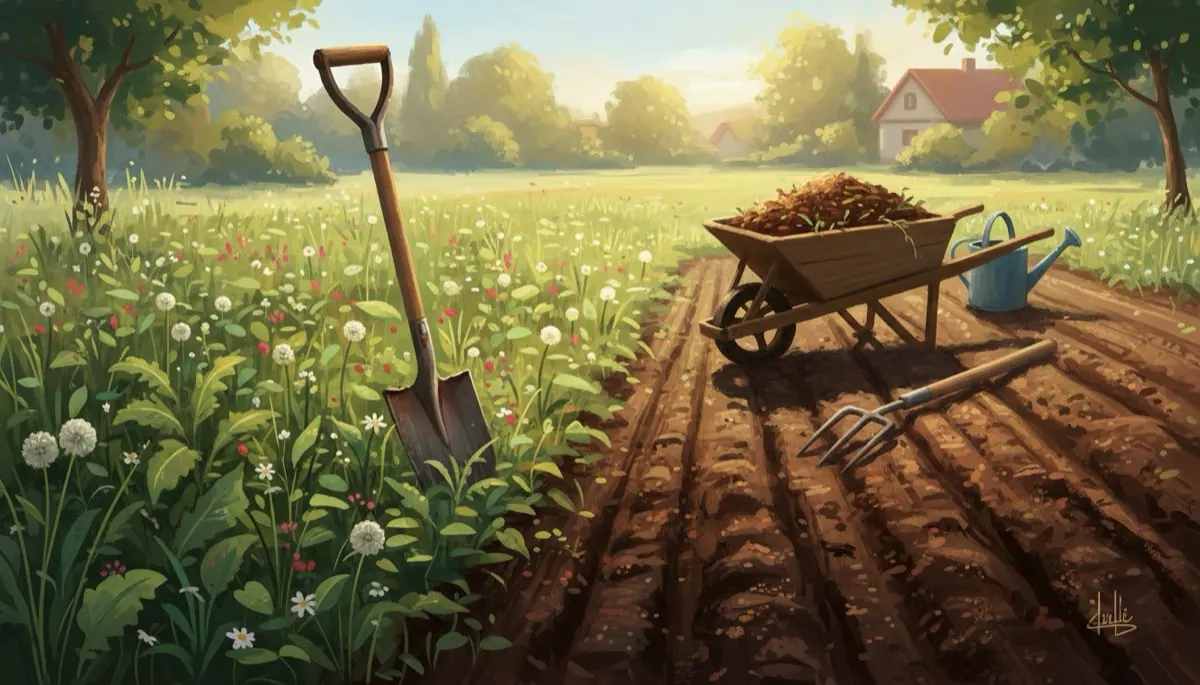
Four honest exceptions. First, real compaction, a plough pan or ground that a machine ran over, where water sits for days and a fork will not go in past 10 cm; break it once with a fork or broadfork, without inverting, then never again. Second, established perennial weeds such as bindweed, couch grass, ground elder and oxalis on a large area, where digging the roots out is faster than two years of light exclusion. Third, long root crops in heavy clay, where parsnips and long carrots fork unless the top 30 cm is loosened, though a deep raised bed of compost solves it permanently. Fourth, harvesting potatoes, which is digging by definition. Everything else is better left undisturbed.
What to expect
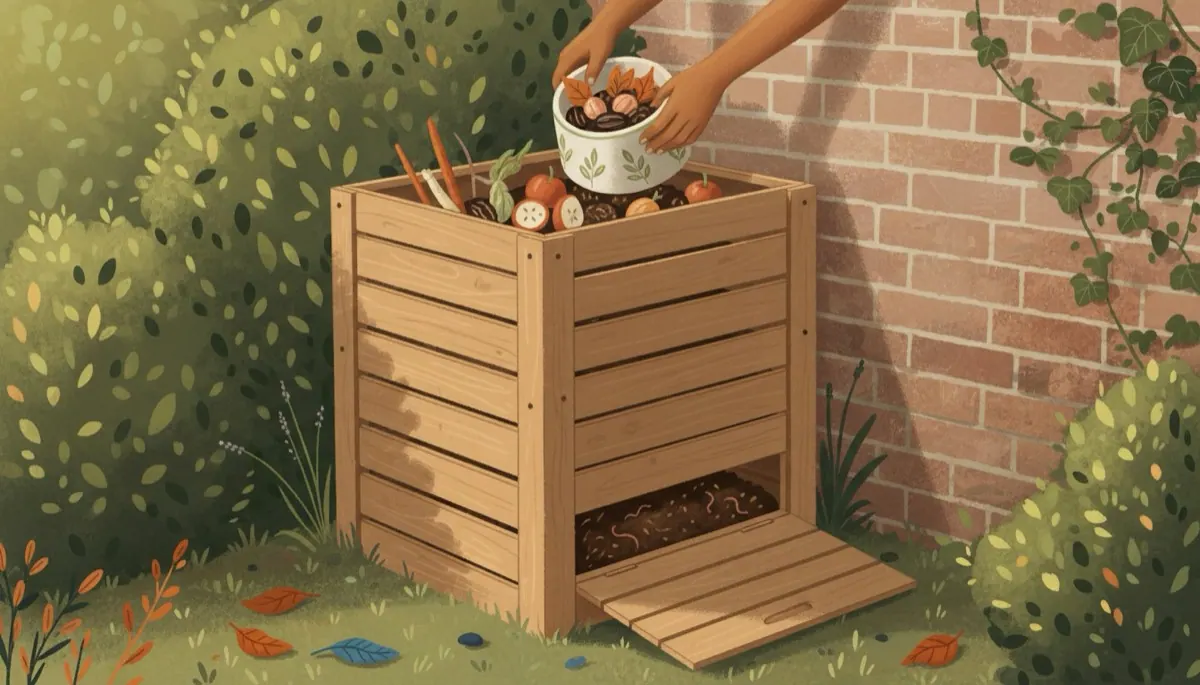
The first year of a no-dig bed on old grass often yields as well as a dug bed and weeds far less, because you are effectively gardening in a bed of compost. Weeding time typically drops by more than half by year two, since no buried seed is brought to the surface. Yields on established no-dig beds are at least as good as dug beds in long-running trials, and the soil warms only a little later in spring. The real cost is compost: 100 to 150 litres per square metre to start, then 25 to 50 litres a year. Plan your compost supply first, then the beds, not the other way round.
Check yourself
About half the volume is pores, split between air and water, and those pores are what digging collapses.
Ten to fifteen centimetres, about 100 to 150 litres per square metre, over wetted cardboard, so you can plant into it straight away.
Genuine compaction needs breaking once, ideally with a fork or broadfork that loosens without inverting the profile.
Anything under about 5 cm lets annual weed seedlings through; 7 to 10 cm of coarse mulch blocks the light.
Try it for real: Convert one patch of grass to a no-dig bed
- Mark out a bed no wider than 1.2 metres so you can reach the middle from both sides
- Mow it short, water it, and cover it with overlapping plain cardboard, tape removed
- Spread 10 to 15 cm of compost or rotted manure on top and water it in
- Plant potatoes, squash or beans through the compost this season
- Push a fork in at two spots and note how easily it goes in, then repeat the test a year later
🛒 Gear for this skill
As an Amazon Associate I earn from qualifying purchases. It costs you nothing extra and keeps this site free.
Next lesson: Green Manures and Cover Crops →
Written and checked by the Human Skills team against the sources below. How we check our content
- RHS No Dig Gardening
- Cornell Cooperative Extension Soil Health
- FAO Conservation Agriculture