 Human Skills
Carbon Monoxide: The Silent Killer
Where it comes from, how it feels and how to stop it
6 minBeginnerUpdated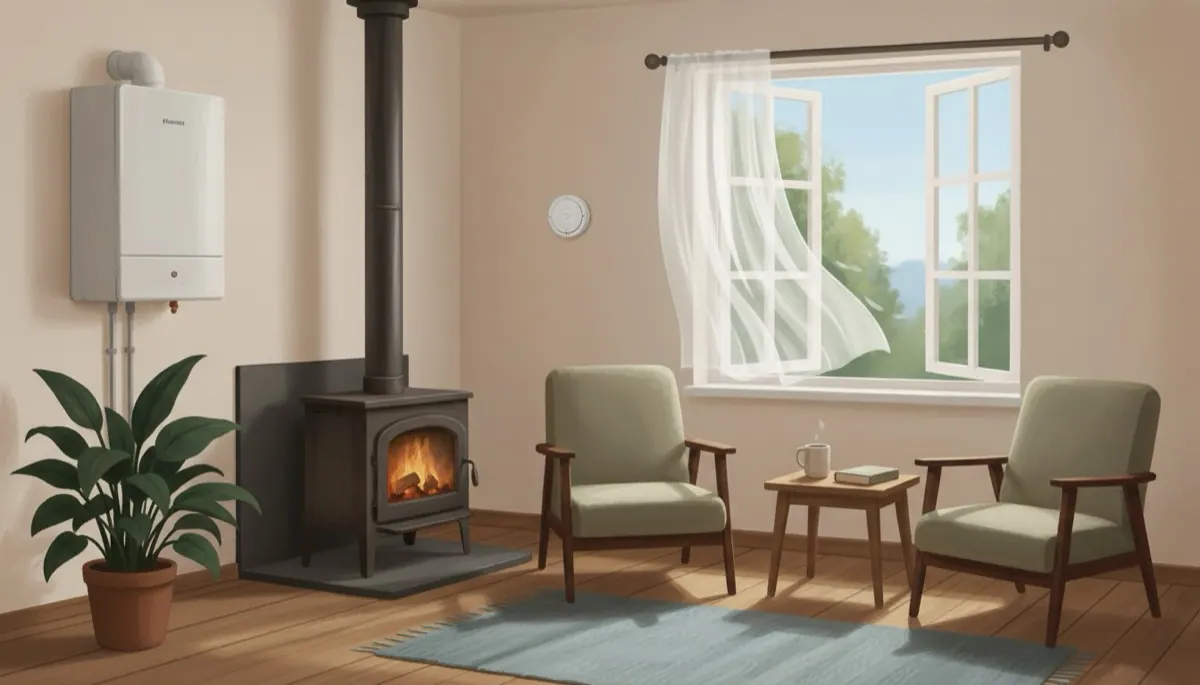
- Name the common sources of carbon monoxide in a home, a garage and a tent
- Recognise the symptoms and the warning pattern of CO poisoning
- Act fast in an emergency and prevent it with an alarm and maintenance
Where it comes from
Carbon monoxide, CO, is a gas made whenever fuel burns without enough air. You cannot see it, smell it or taste it, which is why it kills people in their sleep every winter. Anything that burns fuel can produce it: wood stoves and fireplaces with a blocked or leaking flue, gas heaters, gas boilers and water heaters, generators, cars left running in a garage, a charcoal barbecue brought indoors to keep warm, and camping stoves or heaters used inside a tent or caravan. Old or badly maintained appliances and poor ventilation make it far more likely. Rural houses heated by wood and bottled gas, closed up tight against the cold, are exactly where it happens.
How it feels
Early CO poisoning feels like flu or tiredness: headache, dizziness, nausea, weakness and confusion. Higher levels bring vomiting, chest pain, collapse and loss of consciousness, and death can follow within minutes at very high levels. Because the signs are vague, look for the pattern instead. Several people in the house feel ill at the same time. Pets are sluggish or sick too. Symptoms are worse in one room or when a particular appliance is on, and they ease when you go outside or leave the house for the day. Anyone asleep or drunk can die without ever waking. Babies, older people, pregnant women and anyone with heart or lung disease are at greatest risk.
What to do if you suspect it
Act immediately; do not stop to investigate. Get everyone, including pets, out into fresh air at once. On your way out, open doors and windows only if you can do it quickly without delaying your escape, and switch off the appliance only if it is right in your path. Do not go back inside for anything. Call the emergency number, 112 in Europe, and say you suspect carbon monoxide poisoning. Anyone with symptoms needs medical assessment even if they start to feel better in the fresh air, because CO can cause lasting harm to the heart and brain. Do not use the appliance again until a qualified technician has checked it.
Prevention: alarm, sweep, never indoors
Fit a carbon monoxide alarm that meets the European standard EN 50291, near sleeping areas and in every room with a fuel-burning appliance, following the maker's instructions for placement. Test it monthly with the button and replace it when it reaches the end of its life. A smoke alarm does not detect CO. Have chimneys and flues swept at least once a year, and gas appliances serviced by a qualified technician. Never block air vents, even in winter. Never run a generator indoors, in a garage or near open windows and doors. Never bring a charcoal barbecue or grill indoors or into a tent, even when it seems to have gone out, and never run a car engine in a closed garage.
Check yourself
CO is invisible and odourless. Only an alarm can warn you reliably.
Several people or pets ill at once, and better when away, is the classic warning pattern.
Get out first. Open doors and windows only on the way out, never go back in, and call 112.
Charcoal produces large amounts of CO, even while cooling. It belongs outdoors only.
Try it for real: Make your home CO-safe
- List every fuel-burning appliance in your home, garage, caravan or camping kit
- Check you have a working CO alarm near sleeping areas and each appliance, and press the test button
- Book or note the date of the next chimney sweep and appliance service
- Agree with your household: if the alarm sounds, everyone goes straight outside
🛒 Gear for this skill
As an Amazon Associate I earn from qualifying purchases. It costs you nothing extra and keeps this site free.
Next lesson: Getting Help With No Signal →
Written and checked by the Human Skills team against the sources below. How we check our content
- World Health Organization, guidelines for indoor air quality
- UK NHS, carbon monoxide poisoning
- EN 50291 carbon monoxide alarm standard
Related lessons
Wildfire: Before, During, After
Clear the ground, leave early, know what to do if trapped

Getting Help With No Signal
Calls, satellites, whistles, lights and signs on the ground

Floods and River Crossings
Respect moving water, before, during and after
Talking When the Phone Network Is Down
Radios, walkie-talkies and a family plan