 Human Skills
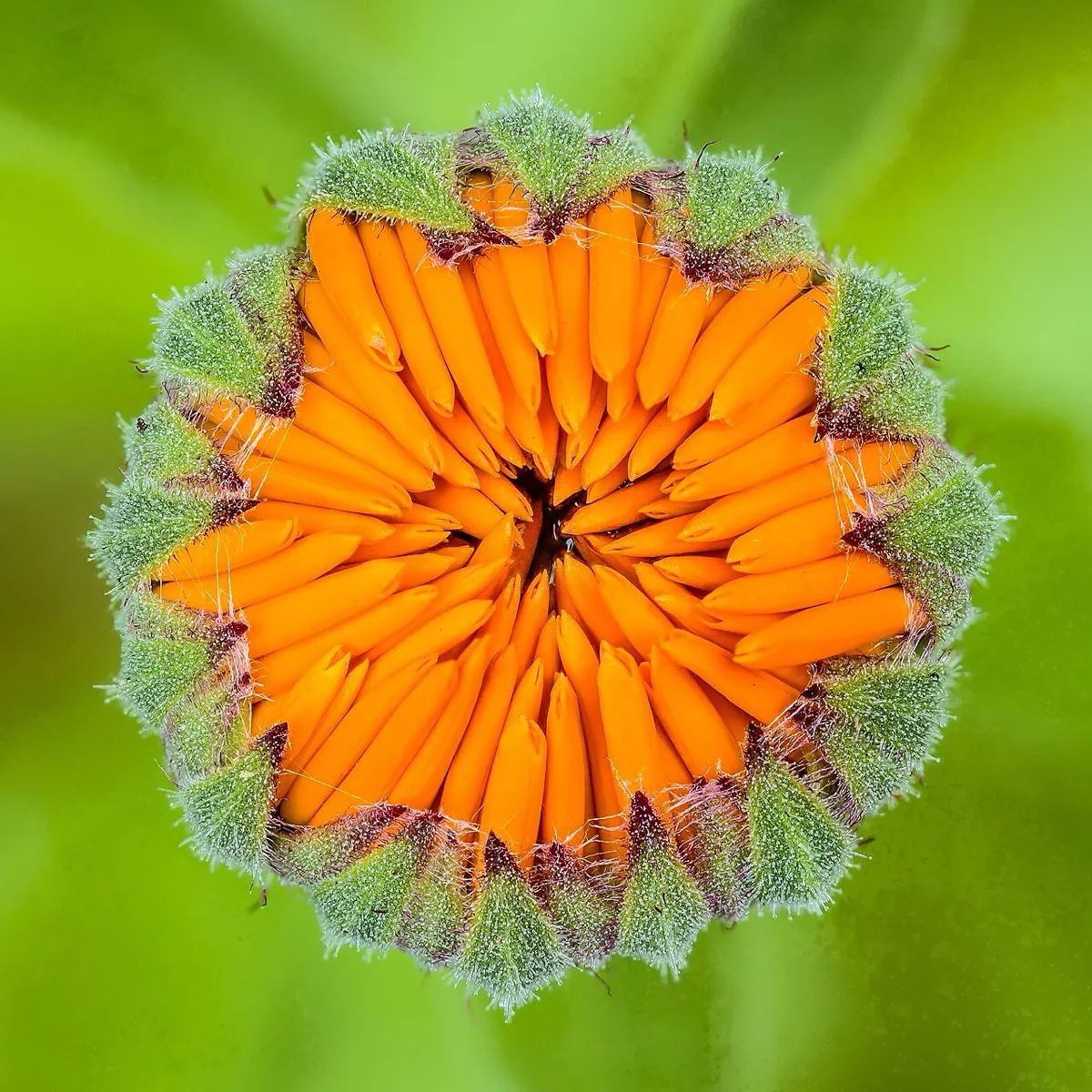
Photo: Dominicus Johannes Bergsma, CC BY-SA 4.0, Wikimedia Commons

Calendula (Pot Marigold)
Calendula officinalis
EdibleThe bright orange garden marigold whose sticky flower heads have been the skin herb of European households for centuries.
Confused with
Danger: Not the traditional skin herb, and their strong smell irritates some people's skin.
How to tell: Tagetes have finely divided, fern-like, dark green leaves and a pungent, sharp, almost acrid smell. Calendula has simple, undivided, pale green spoon-shaped leaves and a resinous balsamic smell.
Danger: Not dangerous, and genuinely closely related, but weaker and smaller.
How to tell: Field marigold is a small wild plant with heads only 1 to 2 cm across on thin sprawling stems. The garden plant has heads 4 to 7 cm. They are used similarly in folk practice but the garden species is the traditional one.
Danger: Harmless but useless for this purpose.
How to tell: Corn marigold has smooth, hairless, blue-green deeply toothed leaves and clean yellow non-sticky heads. Calendula is hairy and sticky everywhere and its bracts feel resinous.
Leaves
Alternate, pale green, soft, slightly sticky and hairy, 5 to 15 cm long, spoon-shaped to oblong with a smooth or very slightly toothed edge. The upper leaves clasp the stem directly without a stalk.
Flowers
Solitary heads 4 to 7 cm across at the tips of the shoots, with many strap-shaped rays in a strong orange or yellow around a darker orange or brownish centre. The green bracts under the head are sticky and hairy. The heads close at night and in rain, and the whole flower feels resinous between the fingers.
Stem
Round to slightly angled, pale green, ribbed, hairy, sticky to the touch, solid, branching and often falling sideways under the weight of the flowers.
Smell or taste
Resinous, slightly sticky and faintly bitter when the head is squeezed, a distinctive balsamic smell rather than a sweet floral one. The petals are a confirmed edible garnish once you are certain of the plant, but do not use taste to identify anything.
Habitat
Gardens, allotments, old flowerbeds and waste ground as an escape. It self-seeds freely and flowers for most of the year in the Portuguese climate.
Edible parts
Petals, used as a colouring and garnish.
Preparation
Pick flower heads fully open on a dry morning, and keep picking, because the plant flowers harder the more you take. Dry the whole heads, or just the pulled petals, in a single layer on mesh in a warm dark airy place for one to two weeks until they are papery. Whole heads dry more slowly and must be bone dry to the centre or they will mould in the jar. Store in a sealed dark jar for up to a year. Infused oil, the main traditional preparation: pack a clean dry jar loosely with fully dried petals or heads, cover completely with olive or sunflower oil, seal, keep warm for three to four weeks shaking daily, then strain through cloth into a dark bottle. Dried flowers only. Fresh flowers carry water that will spoil the oil and can breed bacteria. A simple infusion of a teaspoon of dried petals in a cup of hot water, covered ten minutes and strained, was traditionally cooled and used as a skin or mouth rinse. From the infused oil, a household salve is made by warming it gently with about one part beeswax to eight parts oil until melted, then pouring into a clean jar to set.
Traditional use
Calêndula is the classic European skin plant. Its infused oil and salve have traditionally been applied to chapped hands, dry cracked skin, minor grazes, nappy rash and sore lips in households all over Portugal and the rest of Europe. A cooled infusion has been used as a mouth rinse for sore gums and as a wash for tired, irritated skin, and the petals have coloured soups and rice since the Middle Ages, which is where the name pot marigold comes from. Recorded traditional and kitchen use, not a treatment. Anything infected, spreading, deep, or not healing belongs with a clinician.
Harvest rule
Calendula is a garden annual that self-seeds freely, so grow your own rather than taking it from anywhere wild. Leave a few heads at the end of the season to set seed for next year. If you pick from someone's garden or an abandoned plot, ask first, and check local rules if you are on public or protected land, since they vary by country.
Calêndula, maravilha, malmequer-dos-jardins (PT); caléndula (ES)