Human Skills
Fish Safety In Depth
Histamine, ciguatera, parasites, mercury and what never to eat
6 minIntermediateUpdated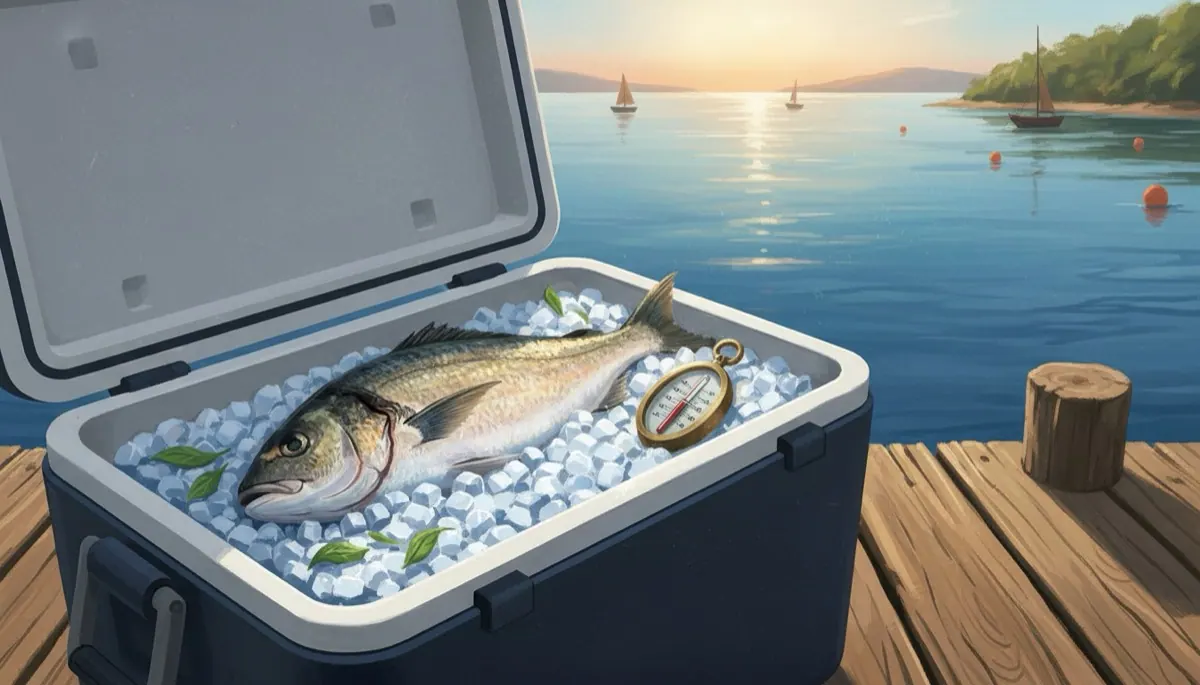
- Prevent scombroid poisoning by chilling the right species immediately
- Apply the freezing rule to anything eaten raw or lightly cured
- Name the species and organs never to eat, and judge spoilage
Scombroid and histamine
Mackerel, tuna, bonito, sardine and anchovy carry a lot of histidine in their flesh. Left warm, bacteria convert it to histamine, which cooking, freezing and canning cannot remove. Eating it gives a flushed face, headache, sweating, racing heart, cramps and a peppery burning taste within minutes to an hour. It is usually treated like an allergic reaction and passes, but it can be severe. Prevention is entirely about temperature: bleed and gut these fish at once, get them onto ice or into a cold box within about half an hour of capture, and keep them below 4 degrees Celsius all the way to the pan.
Ciguatera
Ciguatoxins build up through tropical and subtropical reef food chains and concentrate in large predators such as barracuda, large groupers, amberjack, some snappers and moray eels. The toxin is heat stable, odourless and tasteless, and no home test exists. Symptoms mix stomach upset with strange neurological effects, classically a reversal of hot and cold sensation, tingling lips and hands, and they can persist for months. The only defence is local knowledge: in reef regions ask which species and which reefs are implicated, avoid large predatory reef fish entirely, and never eat the head, liver or roe of any suspect fish, where toxin concentrates.
Parasites and the freezing rule
Anisakis worms are common in cod, hake, herring, mackerel and many others, and they are why sushi is made from frozen fish. Cooking to 63 degrees Celsius in the thickest part kills them. For anything eaten raw, marinated, salted lightly, ceviche style or cold smoked, the food safety rule is to freeze first: minus 20 degrees Celsius for at least 7 days, or minus 35 degrees for about 20 hours, measured in the fish, not the freezer air. Many domestic freezers run warmer than minus 18, so use a thermometer. Gutting quickly helps, because worms migrate from the gut into the flesh after death.
Species and parts never to eat
Pufferfish, and all their relatives in the family Tetraodontidae, carry tetrodotoxin, which has no antidote and kills through paralysis. They are caught accidentally in Portuguese and Mediterranean waters as the silver cheeked toadfish spreads. Never eat one, never eat anything you cannot identify, and discard the whole fish rather than trimming around it. Do not eat the liver of large sharks, polar bears or halibut sized predators due to vitamin A toxicity, or the roe of species where it is known to be toxic. Freshwater eel blood is toxic raw, which is why eel is never served raw. Identify before you cook, always.
Mercury and reading spoilage
Methylmercury concentrates up the food chain, so swordfish, marlin, shark and large tuna carry the most. Food agencies generally advise adults limit these to about once a week, and advise pregnant women and young children to avoid them entirely and eat small oily fish instead. For spoilage, judge a whole fish by three things: the eyes should be clear and domed, not sunken and cloudy; the gills bright red, not brown or slimy; and the smell clean, of the sea, never ammonia or sourness. Flesh should spring back when pressed. Any ammonia smell means the fish is finished, whatever it looks like.
Check yourself
Histamine forms when oily fish sit warm, and once formed no cooking, freezing or canning removes it.
Minus 20 for seven days, or minus 35 for about twenty hours, kills anisakis. Many home freezers do not reach minus 20, so check with a thermometer.
Ciguatoxin accumulates up reef food chains into barracuda, large groupers and similar predators, and it is heat stable and undetectable.
Ammonia means advanced spoilage. No cooking makes it safe or pleasant.
Try it for real: Set up a cold chain and a check
- Put a thermometer in your freezer for 24 hours and record the real temperature
- Pack a cool box with ice or frozen bottles before your next trip
- Bleed, gut and ice one oily fish within thirty minutes of catching it
- At the fishmonger, check eyes, gills and smell on three fish and rank them
- List the species in your region you will never keep, including pufferfish
🛒 Gear for this skill
As an Amazon Associate I earn from qualifying purchases. It costs you nothing extra and keeps this site free.
Next lesson: Cleaning and Gutting a Fish →
Written and checked by the Human Skills team against the sources below. How we check our content
- FAO
- NOAA
- IPMA