Human Skills
Know Your Fish, Handle It Well
Identify, unhook and release without harm
5 minIntermediateUpdated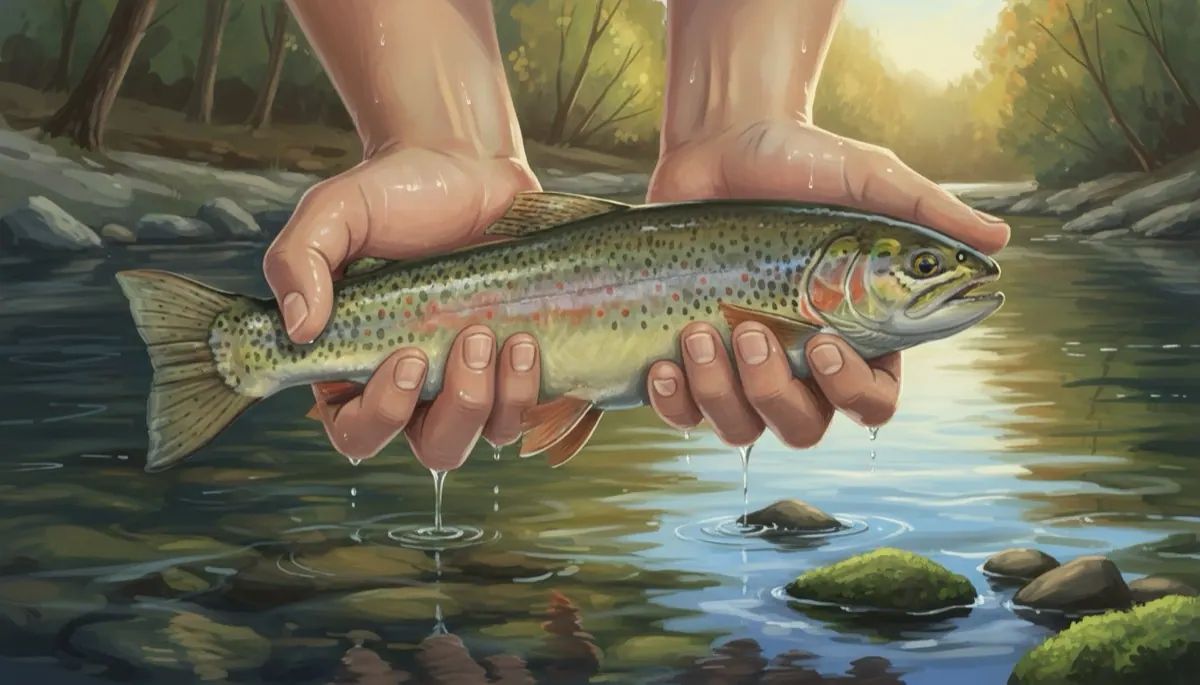
- Use body shape, mouth and fins to work out what you caught
- Unhook a fish quickly with wet hands and pliers
- Release a fish so it swims off strong
A simple way to identify fish
You do not need to memorise hundreds of species. Look at four things. Body shape: torpedo shaped fish (bass, trout, mackerel) are fast hunters; deep flat-sided fish (bream, carp) are slow bottom feeders; flatfish lie on one side. Mouth: a big forward mouth eats fish; a small downward mouth eats off the bottom; teeth mean predator. Fins: a spiky first dorsal fin (perch, bass, sea bream) versus soft fins (carp, roach, trout). Markings: stripes, spots, a dark blotch on the tail or gill cover. Take a clear photo on a wet, shaded surface and check a regional ID guide or app afterwards. Knowing the species tells you whether it is legal to keep, safe to eat, and how to handle it.
Fish that can hurt you
A few common fish need care. Spiny dorsal fins on perch, bass and sea bream puncture palms; flatten the spines by stroking from head to tail before gripping. Weever fish, common on sandy European beaches, have venomous spines that cause severe pain; do not touch, cut the line if needed, and treat a sting with water as hot as you can bear for 30 to 90 minutes. Pike, barracuda and eels bite; grip pike under the gill plate with a glove, not in the mouth. Catfish have sharp pectoral spines. Rays have a tail barb. If you cannot identify a fish and it looks spiny or toothy, unhook it with pliers without touching it, or cut the line close to the hook.
Handling: wet hands, short time
Fish are covered in a slime layer that protects them from infection; dry hands, towels and sand strip it off. Wet your hands before you touch a fish, and keep it over water or a wet unhooking mat, never on hot rock or dry grass. Hold it horizontally with one hand under the belly and one near the tail; hanging a heavy fish vertically by the jaw or gills damages its organs. Keep it out of the water for no longer than you can hold your breath, ideally under 30 seconds. Use long-nosed pliers or a disgorger to back the hook out the way it went in. If the hook is deep in the throat, cut the line close and leave it; the hook rusts out faster than surgery heals.
Catch and release done properly
Decide before you fish which fish you will keep, and release everything else as fast as possible. Fight the fish firmly rather than for a long time; an exhausted fish often dies after release. Unhook it in the water if you can. To release, hold it upright in the water facing into the current or gently move it forward and back if there is no current, until it kicks and swims off by itself. Do not throw it. In warm water above 22 degrees C fish recover slowly, so be extra quick. If a fish is bleeding heavily from the gills it will probably die, so keep it if legal rather than waste it. Released fish grow and breed. That is the future of your fishing.
Keeping fish humanely
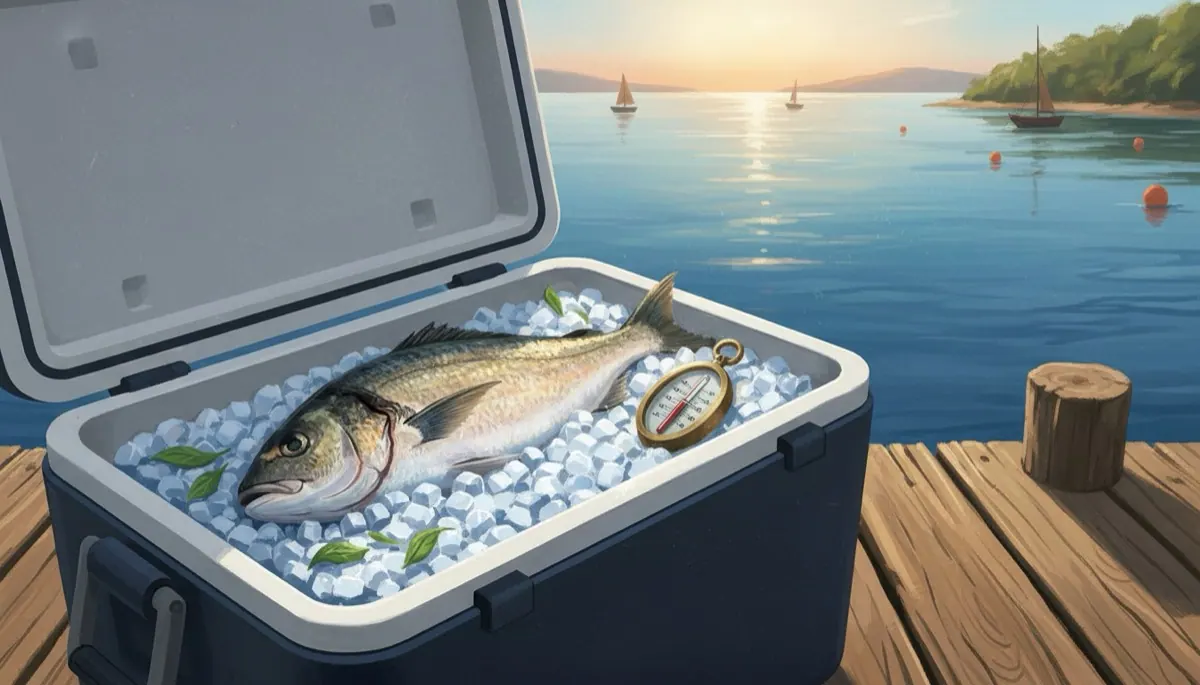
If you are keeping a fish, kill it immediately rather than leaving it to suffocate in a bucket. A firm blow to the top of the head just behind the eyes with a short stick (a priest) stuns it; then bleed it by cutting the gills so the meat stays clean and firm. Put it on ice or in the shade at once; fish spoils fast in warmth. Check the species is legal, in season and above the minimum size before you do any of this, using a tape measure from nose to tail tip. Never keep more than you will actually eat. A limit is a maximum set by law, not a target.
Check yourself
Mouth shape shows diet. Hunters have large forward mouths; bottom feeders have small downward mouths.
The slime layer is the fish's defence against infection. Dry hands and towels strip it and the fish may die days later.
Hooks rust and drop out; digging for one usually kills the fish.
Supporting the fish facing into the current lets water flow over its gills until it recovers strength.
Try it for real: Learn five local fish
- Find your region's official fish ID guide (fisheries authority or angling body)
- Pick the five species most likely in your nearest water and learn shape, mouth, fins and markings
- Note for each: minimum size, season, and whether it has spines or teeth
- On your next trip, identify and photograph each fish before release
🛒 Gear for this skill
As an Amazon Associate I earn from qualifying purchases. It costs you nothing extra and keeps this site free.
Next lesson: Fish Safety In Depth →
Written and checked by the Human Skills team against the sources below. How we check our content
- FAO Species Identification Guides
- FishBase
- Keep Fish Wet