Human Skills
Choosing Land You Could Actually Live On
Water, sun, access and what the registry says
6 minIntermediateUpdated
- Check that water on a plot really exists before you buy
- Read sun, slope and frost risk on the ground
- Know what the land registry does and does not allow
Water first, everything else second
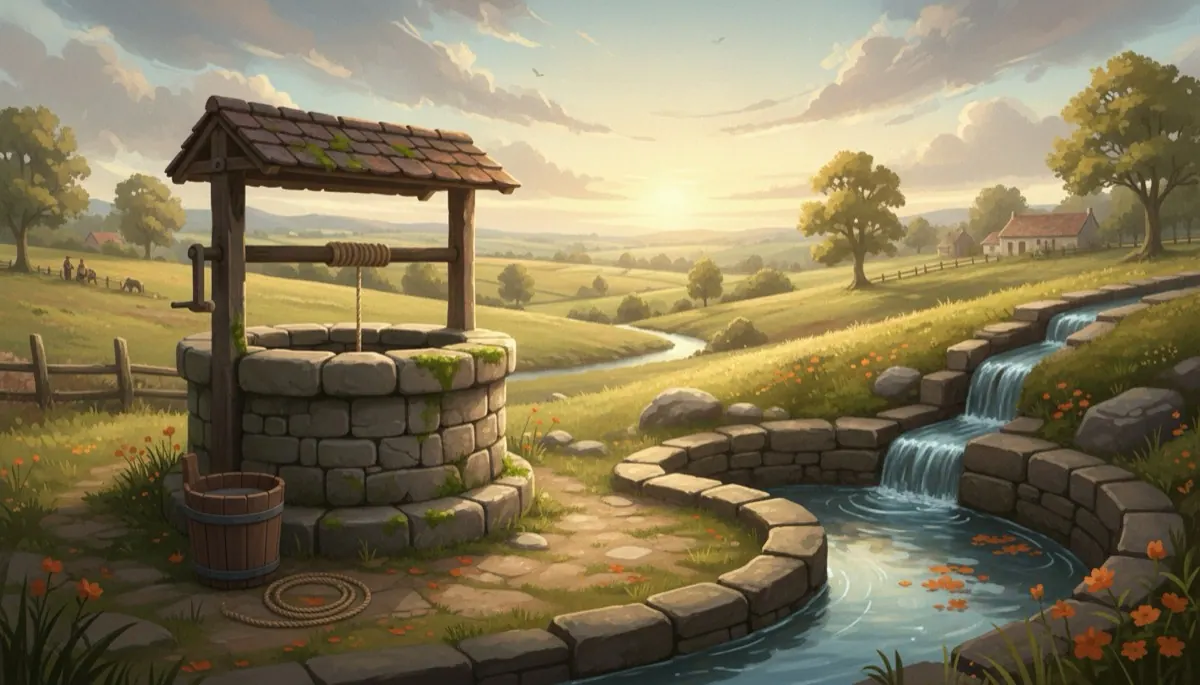
A beautiful plot with no water is a camping spot, not a home. Before anything else, find out what the water is: a spring, a well, a borehole, a shared irrigation channel or nothing. Then check it exists in the dry season, not in February. Visit in late August or September and watch it flow for ten minutes. Ask neighbours how their own supply behaved in the last drought year. If the seller says there is a borehole, ask for the drilling report, the depth, the tested yield in litres per hour and the licence number. No paperwork means you are buying a hole of unknown value.
Legal access to the water
Physical water and legal water are different things. Groundwater abstraction in Portugal must be registered or licensed with the regional APA water authority, and a spring on your land may already carry ancient rights belonging to someone downhill. Shared irrigation water often comes with a rota, a fee and a committee, and those rights attach to the plot, not to you. Read the deed and ask specifically: who may take water, how much, when, and is it written down. An unlicensed borehole can be ordered sealed. Budget for registering what you inherit rather than assuming nobody will ever check.
Aspect, sun and the cold air that sinks
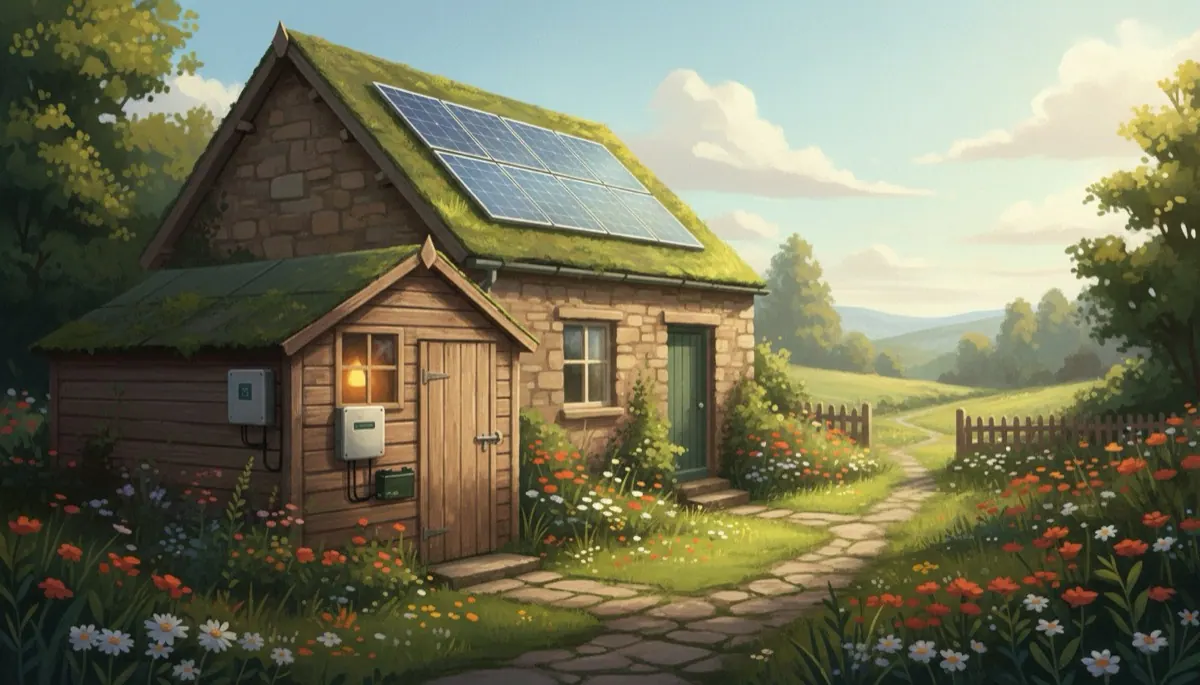
Stand on the plot with a compass and a sun-path app and work out where the sun sits in December, not June. A south-facing slope in the northern hemisphere gets far more winter sun, dries faster after rain and suits solar panels. A north-facing hollow can stay sunless for weeks. Cold air behaves like water: it flows downhill at night and pools in dips and behind walls, so the bottom of a valley frosts when the slope above it does not. Look for frost damage on established trees and ask where the last frost bit. Mid-slope is usually the sweet spot.
Soil, slope and wildfire exposure
Dig test holes in several places. You want at least 40 to 60 cm of workable soil for growing, and you want to know whether rock sits just below, because rock decides the cost of every trench, septic system and foundation. Slopes above roughly 15 percent make building, driving and machinery expensive. Then look at fire: dense eucalyptus or pine right up to the house is the highest risk in Portugal, and the law requires a cleared strip around dwellings, commonly 50 metres, managed to ICNF rules. A plot you cannot legally or physically clear is a plot you will fight every summer.
Access in winter and the paperwork
Track access that works in August can be an impassable rut in January. Drive it in rain, ask who owns the track, who maintains it and whether the right of way is written into the deed. Then read the caderneta predial, the tax register entry for the plot. Land registered as rustico is farmland and forest, and building on it is heavily restricted: many rural plots allow no new dwelling at all, and an existing ruin does not automatically grant permission to rebuild. Land registered as urbano carries building rights. Confirm with the camara municipal in writing before you sign anything.
Check yourself
Almost any source runs in winter. Only the late summer minimum tells you whether it will carry a household through a dry year.
Cold air sinks and pools in dips and behind walls, so hollows become frost pockets while mid-slope sites stay milder.
Rustico land is agricultural or forest. Building rights are restricted and often absent; only the municipal plan can confirm what is allowed.
Paperwork and a measured yield make a borehole an asset. Without them you are buying an unknown hole that can be ordered sealed.
Try it for real: Survey a plot like a buyer who has to live there
- Pick a real plot for sale and request its caderneta predial and article number
- Ask the camara municipal in writing what the zoning allows
- Visit at 8 am and at sunset and map the shade in both
- Dig three test holes and record soil depth and what stops the spade
- Measure the water source with a bucket and a watch, and note the date
🛒 Gear for this skill
As an Amazon Associate I earn from qualifying purchases. It costs you nothing extra and keeps this site free.
Next lesson: Springs, Wells and Boreholes →
Written and checked by the Human Skills team against the sources below. How we check our content
- ICNF (Instituto da Conservacao da Natureza e das Florestas)
- APA (Agencia Portuguesa do Ambiente) water abstraction guidance
- FAO Land evaluation framework