 Human Skills
Rabbits, Quail, Ducks and Bees
What each one actually needs before you commit
6 minIntermediateUpdated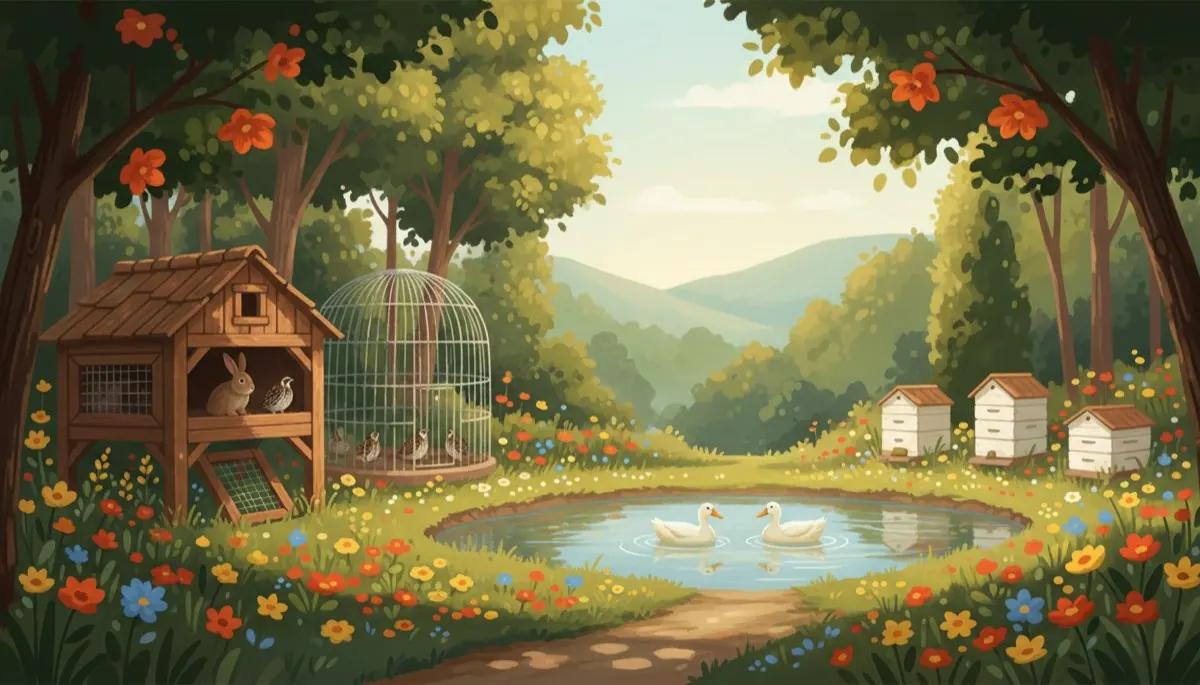
- Match a small livestock species to your space, water and time
- Name the welfare essentials each species needs
- Identify where permits, registration and neighbours come into it
Choose by your limits, not by the photos
Every species here is easy in the right setting and miserable in the wrong one. Be honest about four things before you choose: floor space, water supply, daily minutes and who is next door. Quail need the least space and the least noise. Rabbits need more room than almost anyone gives them. Ducks need water you are willing to change constantly and ground you are willing to see churned. Bees need no daily care at all but need real knowledge, protective kit and neighbours who are not in the flight path. Nothing here tolerates being left for a weekend without a plan.
Rabbits
Rabbits are social and need a companion, usually a neutered pair, plus far more room than a traditional hutch: think three square metres of connected living and exercise space per pair, high enough to stand up and long enough for three hops. Their diet is about 85 percent good grass hay, always available, with a handful of leafy greens and a small measured amount of pellets. Hay keeps their continuously growing teeth worn down, and dental disease is what most badly kept rabbits die of. In hot climates they overheat easily, so shade, airflow and a cool tile matter from May onwards.
Quail
Coturnix quail are the smallest practical option: they start laying at six to eight weeks, give around 250 to 300 small eggs a year, and need roughly 0.1 square metres each, which makes them workable on a terrace where chickens are not. Keep them in groups with no more than one male to four or five females, or the females get harassed. They need a low-roofed enclosure, because startled quail launch straight upwards and break their necks on a high lid, plus a dry dust bath, a feed of about 20 percent protein and shelter from wind and rain.
Ducks
Ducks are hardier layers than chickens, superb at slugs, and remarkably messy. They need water deep enough to submerge the whole head to keep their eyes and nostrils clean, which in practice means a trough or small pool you will empty and refill constantly, and ground that turns to mud around it. They do not roost, so they need a low, dry, secure house with deep bedding rather than perches. Runner and Khaki Campbell types lay 250 to 300 large eggs a year. Duck eggs carry a higher Salmonella risk, so cook them thoroughly and never serve them lightly cooked.
Bees, at concept level
Bees are the one species here you should not start from a lesson. A hive needs a genuine beekeeping course, a local mentor or association, proper protective equipment, and an understanding of swarming, varroa treatment and disease before the first colony arrives. Hive registration is compulsory in many countries, including Portugal, and notifiable diseases such as American foulbrood must be reported. Placement matters legally and socially: distances from boundaries and paths are regulated in many regions, and a flight path across a neighbour's washing line is a problem you cannot undo.
Rules, registration and neighbours
Requirements vary enormously by country and even by municipality. Many places require poultry keepers to register with the national animal health authority, restrict or ban cockerels in urban areas, set minimum distances from dwellings and boundaries, require hive registration, and regulate anything you sell. Rental agreements and condominium rules add another layer. Check with your own local authority and national animal health body before you buy animals, not after, and talk to the neighbours early. A quiet conversation and a regular box of eggs prevents almost every complaint.
Check yourself
Hay should be around 85 percent of intake. It keeps continuously growing teeth worn down and the gut moving, which prevents the two commonest causes of rabbit death.
Quail flush straight upwards when frightened. A low roof, or soft netting instead of hard mesh, prevents the most common injury in captive quail.
Ducks must be able to dip the whole head to clear their eyes and nostrils. A big pond is optional; head-deep clean water is not.
Beekeeping needs training, protective kit and disease knowledge, and hive registration is compulsory in many countries, including Portugal.
Try it for real: Test one species against your reality
- Pick one species and measure the actual space you could give it
- Write down the daily minutes and the water supply it would need
- Contact your municipality and national animal health authority about registration and limits
- Find one local keeper, association or vet who works with that species
- Decide honestly whether to go ahead, delay, or choose something else
🛒 Gear for this skill
As an Amazon Associate I earn from qualifying purchases. It costs you nothing extra and keeps this site free.
Next lesson: Goats and Rabbits →
Written and checked by the Human Skills team against the sources below. How we check our content
- FAO Small-scale Poultry Production
- RSPCA Rabbit Welfare Guidance
- DGAV Portugal
Related lessons
Keeping Backyard Chickens
Space, feed, water, predators and the rules
Eggs: Collecting, Cleaning and Storing
From nest box to kitchen without waste
Basic Animal Care Principles
The five freedoms, daily checks and when to call the vet
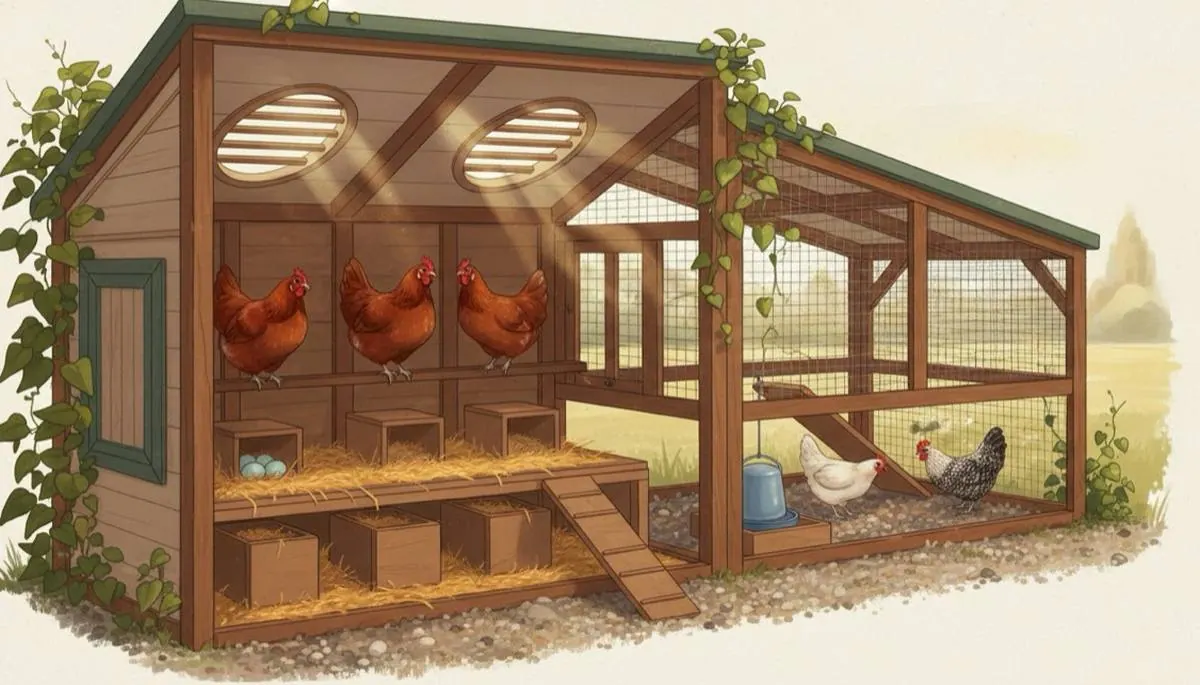
Designing a Coop That Works
Ventilation, perches, nest boxes and a run that stays dry