 Human Skills
Finding Water Outdoors
Where water hides and how to read the land for it
4 minBeginnerUpdated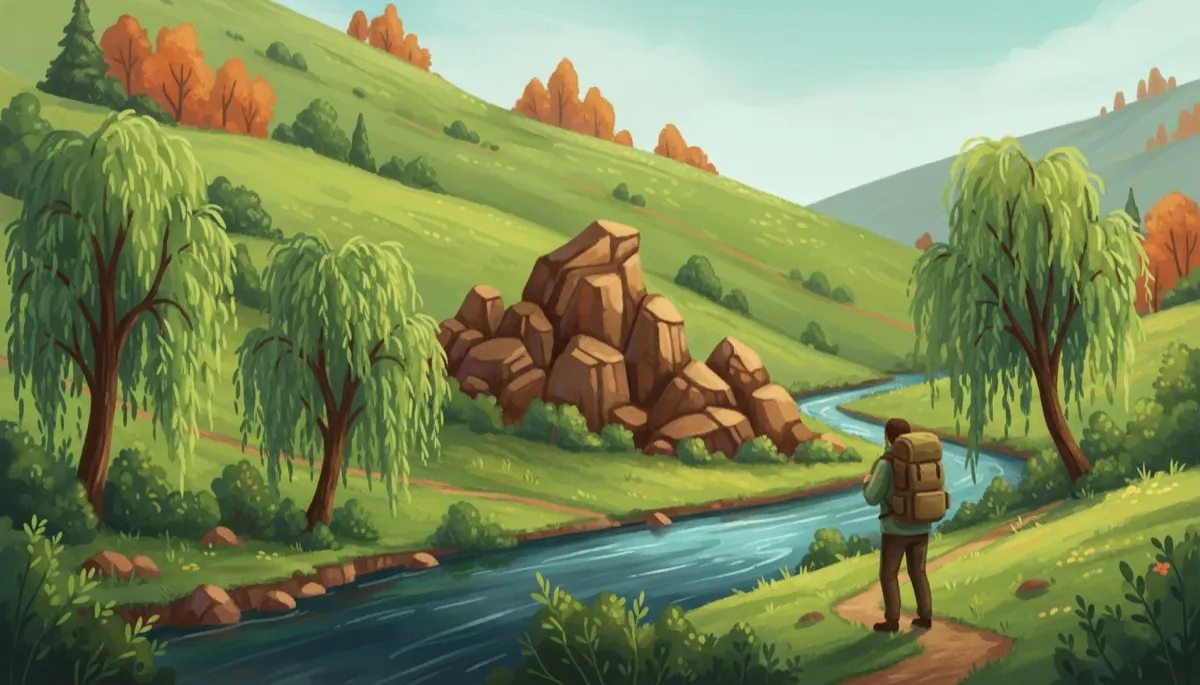
- Know how long a person can go without water and why it matters
- Read terrain, plants and animals as clues to nearby water
- Pick the safest water source when there is more than one
Why water comes first
An adult loses about 2 to 3 litres of water a day through breathing, sweat and urine, and far more when walking in heat. After a day without drinking, thinking gets slow and judgement gets worse, which is exactly when good decisions matter most. In practice, the rule of thumb is three days without water before the situation becomes life-threatening, but performance drops after hours, not days. That is why every lesson in this node starts with the same idea: find water early, while you still have the energy and clear head to do it well. Never wait until you are thirsty and tired to begin looking.
Let the land point the way
Water flows downhill and collects in low ground, so scan valleys, the base of slopes and the outside bend of dry stream beds. A line of noticeably greener, taller vegetation cutting across dry land usually marks a stream or a spring. Willows, reeds, rushes and poplars only grow where their roots reach water. In rocky country, look for the point where a hard rock layer sits on a softer one; springs often seep out along that line. Damp sand or mud at the bottom of a dry gully means water is close below the surface. Morning dew on grass can be collected by dragging an absorbent cloth through it and wringing it out.
Watch the animals
Animals need water as much as you do, and they know the area. Grazing animals drink at dawn and dusk, so trails that join together and head downhill are worth following. Insects are a weak clue only: honeybees fly several kilometres, so a swarm does not mean water is close. Birds that eat grain, like pigeons and finches, fly low and straight towards water in the evening and back in the morning. Frogs and dragonflies mean water is very close. Birds of prey and water birds are not useful clues because they fly long distances. Use these signs together rather than trusting any single one.
Choose the safest source
Not all water is equal. Rank sources from best to worst: flowing spring water at its source, a fast-moving stream well above any farms or villages, a lake or pond, then still puddles and ditches. Avoid water that is downstream of livestock, buildings, roads or campsites, and any water with an oily sheen, foam, unusual colour or a chemical smell. Green scum or dead fish mean walk on. Collect from the surface of moving water, away from the bank, where there is less sediment. Whatever you choose, treat it as unsafe until purified, which is the subject of the next lesson.
Check yourself
Willows, reeds and poplars grow only where their roots reach water, so they mark streams, springs and shallow groundwater.
Honeybees fly several kilometres, so insects are a weak clue. Use them together with other signs.
Spring water at its source has had the least chance to pick up contamination, but it still needs treating before drinking.
Breathing, sweating and urine remove about 2 to 3 litres a day, and heat or exercise can double that.
Try it for real: Map the water near you
- On a walk near home, spot one line of greener vegetation and check whether it marks a stream or ditch
- Find the lowest point in a local park or field and note whether the ground is damper there
- Identify three plants that only grow near water using a plant guide or app
- Note which sources you would rank as safest and why
🛒 Gear for this skill
As an Amazon Associate I earn from qualifying purchases. It costs you nothing extra and keeps this site free.
Next lesson: Making Water Safe to Drink →
Written and checked by the Human Skills team against the sources below. How we check our content
- WHO Guidelines for Drinking-water Quality
- Leave No Trace
Related lessons
Making Water Safe to Drink
Boiling, chemicals and filters, with the right times and doses
Catching Rain in an Emergency
Tarps, gutters, first flush and which roofs to avoid
Storing and Treating Rainwater
Keep it clean, keep it dark, and always treat before drinking
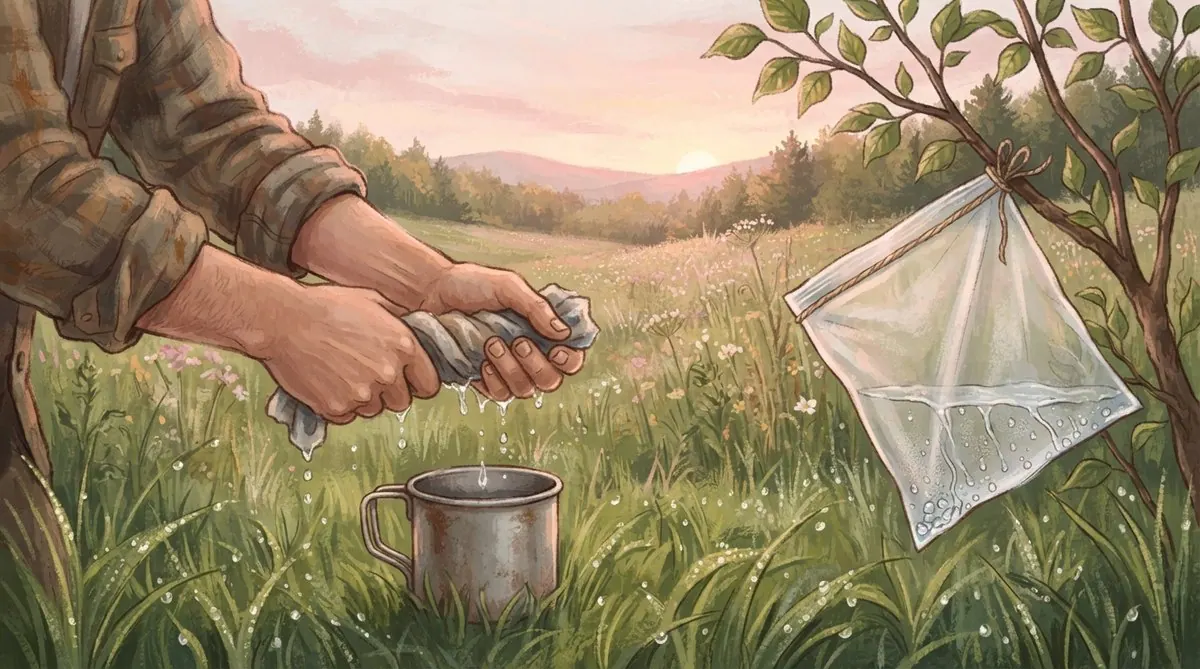
Water From Dew, Plants and Condensation
Dew rags, transpiration bags and honest yields