Human Skills
Reducing Food Waste
Buy less, store better, use everything
4 minBeginnerUpdated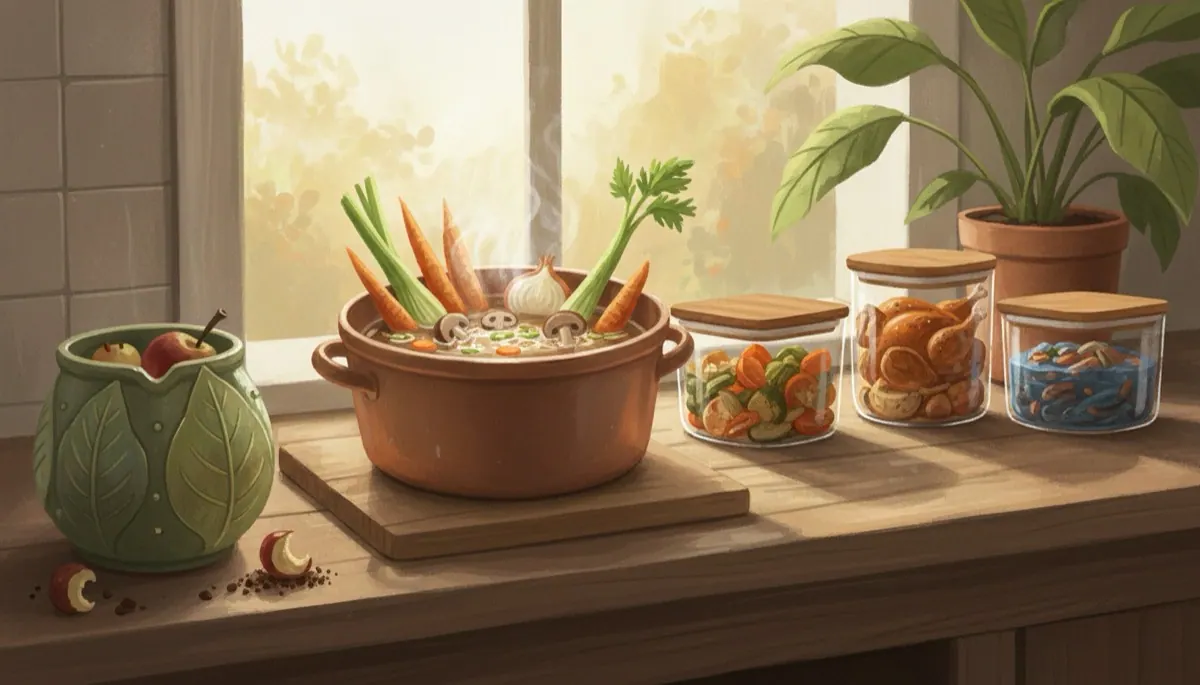
- Plan a week of shopping around what you already have
- Store fresh produce so it lasts twice as long
- Turn scraps and leftovers into meals safely
Where waste actually happens
The FAO estimates roughly a third of food produced for people is lost or wasted, and in richer countries most of the household share is thrown out at home, not in shops. The usual culprits are fresh bread, salad and vegetables, fruit, and cooked leftovers that get forgotten. Waste is mostly a planning and storage problem, not a cooking problem. The fixes are small: look in the fridge before you shop, buy for the meals you will really cook, store produce the way it wants, and give leftovers a named place and a deadline. Doing those four things typically cuts a household bin by half.
Shop with a plan
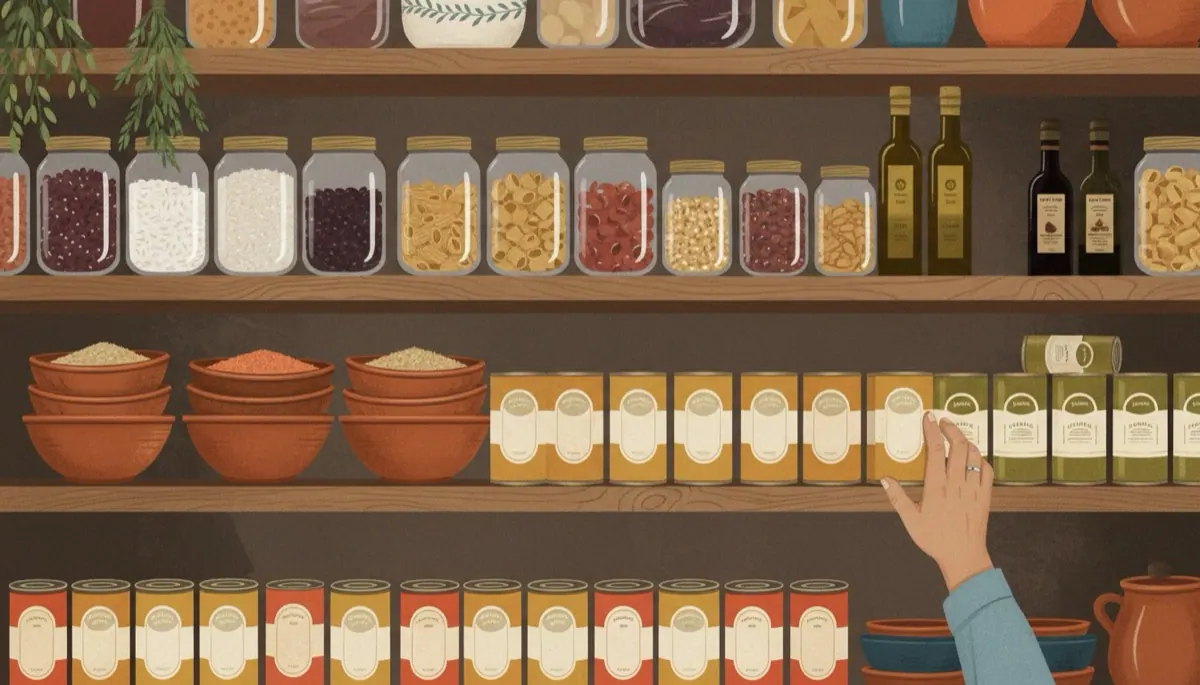
Plan four or five dinners a week, not seven, and leave the rest for leftovers and a fridge-clearing meal. Write the list from the plan and buy only what is on it, in the quantities you need. Loose vegetables let you buy two carrots instead of a kilo. For fragile items such as herbs, berries and salad, buy what you will eat in three days. Treat the freezer as a pause button: bread, cooked beans, stock, cooked rice and portions of stew freeze well, so cooking double and freezing half is cheaper than buying a smaller pack. A weekly “eat me first” box on the middle shelf does most of the work.
Store produce the way it wants
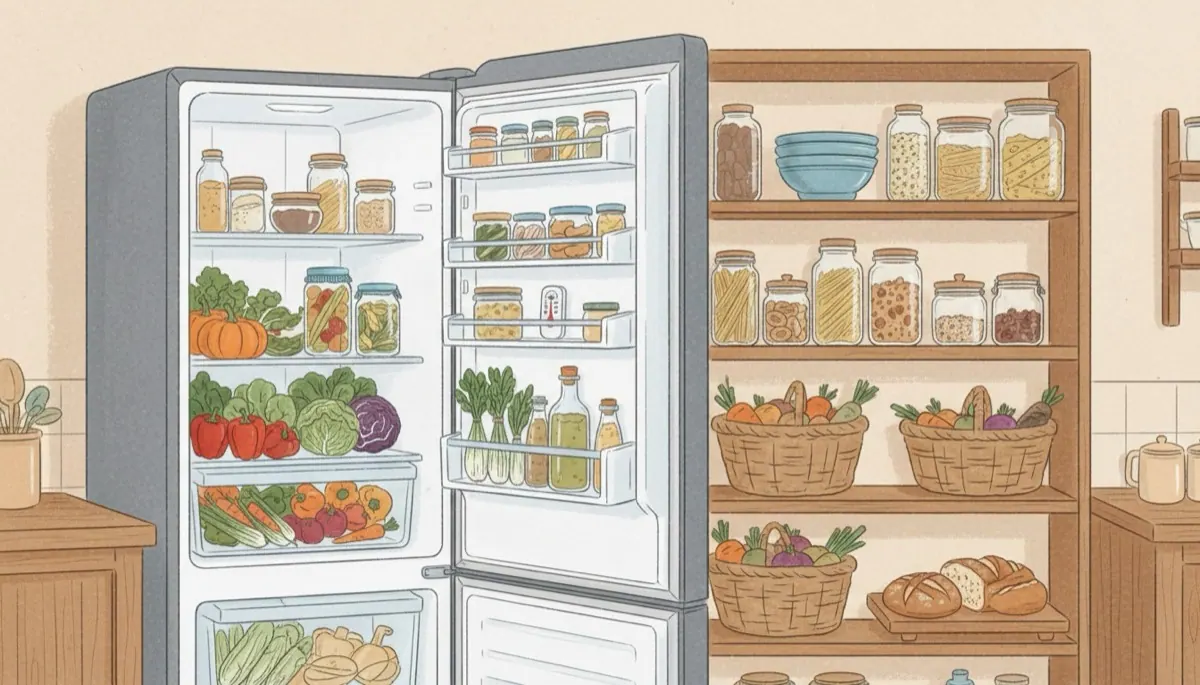
Different produce likes different conditions. Leafy greens and herbs last a week wrapped in a damp cloth or paper inside a container in the fridge. Carrots and celery keep for weeks in a sealed box. Tomatoes lose flavour in the fridge, so keep them on the counter until ripe, then refrigerate only if you must. Bananas, apples and pears give off ethylene gas that ripens everything around them, so keep them away from other fruit and vegetables. Mushrooms want a paper bag, not plastic. Bread goes stale fastest in the fridge; keep it in a bread bin for two days, then slice and freeze the rest.
Leftovers, safely
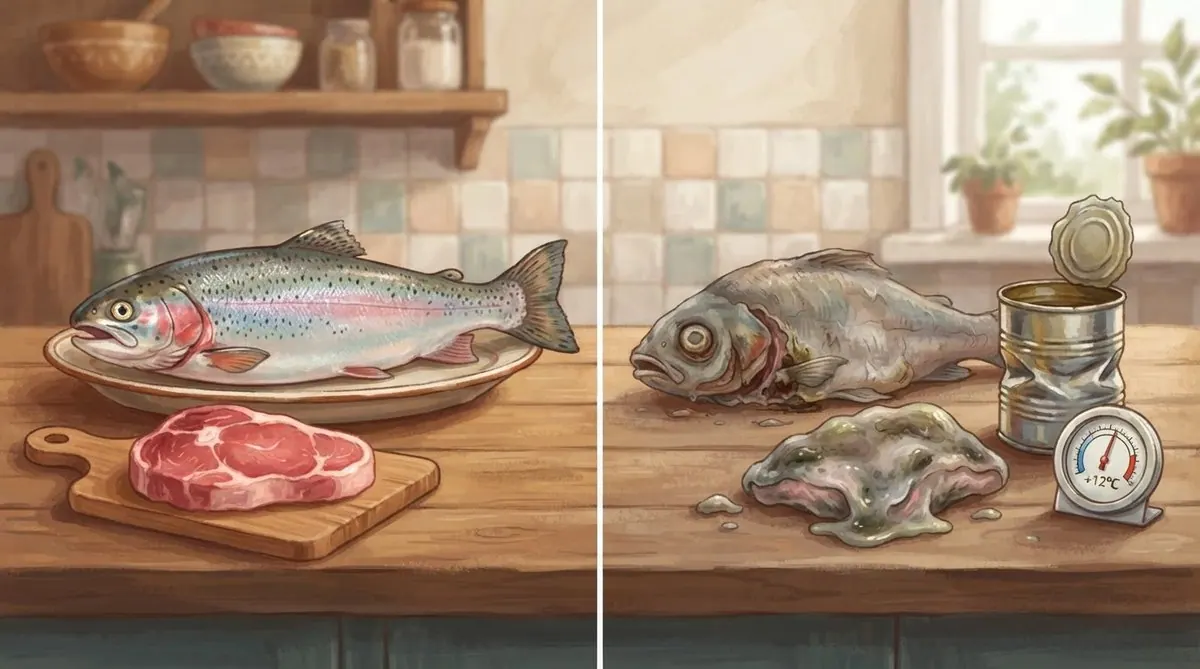
Leftovers are only a saving if they are safe. Cool cooked food within 2 hours, in shallow containers so the centre chills fast, then refrigerate at 4 °C and eat within 3–4 days, or freeze. Label with the dish and date. Reheat until steaming hot throughout, 74 °C on a probe, and reheat only once. Cooked rice deserves special care: Bacillus cereus spores survive cooking and grow in rice left warm, so cool rice within an hour and eat it the next day. When in doubt about a leftover’s age or smell, throw it away. The cost of a portion is nothing next to a day of food poisoning.
Use the whole ingredient
Vegetable peels, ends, stalks and herb stems make stock: keep a freezer bag, add trimmings as you cook, and simmer the full bag in water for an hour when it fills. Stale bread becomes breadcrumbs, croutons, açorda or bread pudding. Soft fruit becomes compote or goes into the freezer for smoothies. Wilted greens revive in ice water for ten minutes or go into a soup. Broccoli stalks are as good as the florets when peeled and sliced. Whatever you truly cannot eat, compost if you can. It returns to the soil instead of a landfill, where food waste produces methane.
Check yourself
The FAO puts global food loss and waste at roughly one third, with household waste a large share in wealthy countries.
Bananas, apples and pears release ethylene gas, which ripens and then ages nearby produce.
Eat refrigerated leftovers within 3–4 days or freeze them. Smell is not a reliable test for bacteria.
Cool rice within an hour and refrigerate; reheating does not destroy the toxin those spores can produce.
Try it for real: One week, half the bin
- Photograph your fridge and plan five dinners from what is already there
- Shop only from the list for those meals
- Set up an eat-me-first box and a stock-scrap bag in the freezer
- Weigh or estimate what you throw away at the end of the week
🛒 Gear for this skill
As an Amazon Associate I earn from qualifying purchases. It costs you nothing extra and keeps this site free.
Next lesson: Basic Bread by Weight →
Written and checked by the Human Skills team against the sources below. How we check our content
- FAO Food Loss and Waste
- USDA FoodKeeper
- WHO Five Keys to Safer Food