 Human Skills
Keeping Bees
A hive, a year, and the things that go wrong
5 minIntermediateUpdated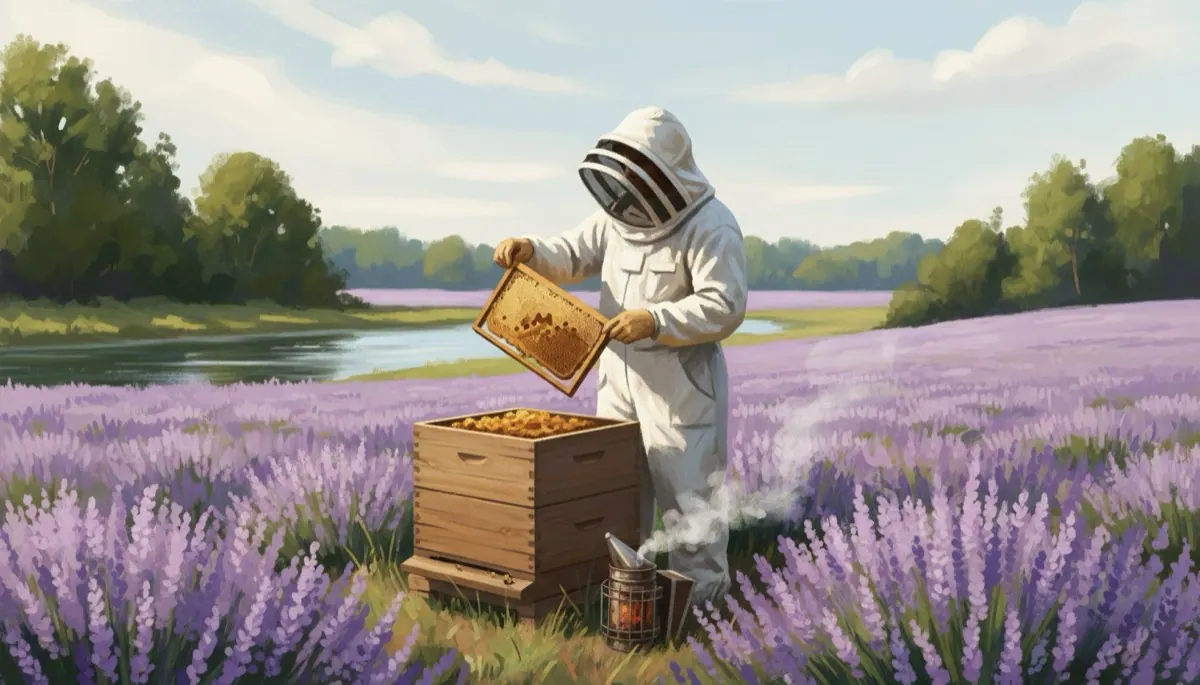
- Describe what a hive needs through a full year
- Recognise swarming and varroa as the two main problems
- Know the registration and safety duties before buying bees
What a hive actually needs
A colony needs a dry hive off the ground, facing away from prevailing wind, in morning sun with afternoon shade in hot climates, plus water within a few hundred metres and forage through the seasons. A standard setup is a floor, a brood box, a queen excluder, one or two honey supers, a crown board and a roof. Add a smoker, a hive tool, a full suit and gloves, and an extractor or access to a shared one. Realistic startup cost for one hive with kit is several hundred euros. Site it so the flight path leaves your land above head height and does not cross a neighbour's doorway or a footpath.
The beekeeper's year
Late winter: leave them alone, heft the hive to judge stores, feed only if it is light. Spring: the colony expands fast, inspections every 7 to 10 days to check for a laying queen, space and swarm cells. Early summer: add supers, manage swarming, watch the main flow. Late summer: harvest, then leave the colony enough honey for winter, commonly 15 to 20 kilograms depending on climate, or feed sugar syrup to replace what you took. Autumn: treat for varroa, reduce the entrance against wasps and mice, check the roof. Winter: ventilation, no disturbance, and ideally no curiosity.
Honey, and honest yields
A healthy established colony in a good year in Portugal might give 15 to 30 kilograms of surplus honey, but a first-year colony often gives none at all, and a bad spring can mean you feed them instead of harvesting. Take only genuine surplus: honey is the colony's winter food, and taking too much is the most common cause of colonies starving in February. Harvest capped frames only, because uncapped honey has too much water and will ferment. Keep extraction clean, strain, and store in sealed jars out of the light. Honey does not spoil, but it does absorb moisture and smells.
Swarming and varroa
Swarming is how colonies reproduce and it is normal, not a failure, but an unmanaged swarm means losing half your bees and most of your harvest. Watch for queen cells from spring and manage by giving space, splitting the colony or performing an artificial swarm. Varroa destructor is a parasitic mite that weakens bees and spreads viruses, and untreated colonies commonly die within a couple of years. Monitor mite levels by sugar roll or alcohol wash, and treat at the right times with an approved product, following the label exactly, never during a honey flow. Report notifiable diseases such as foulbrood to the veterinary authority.
Stings, allergy and the rules
You will be stung. Most people get local swelling; a small number have a systemic allergic reaction with hives, swelling of the face or throat, wheezing or faintness, which is a medical emergency needing adrenaline and local emergency services immediately. Never work bees alone if anyone in the household is known to be allergic, and never keep hives where a reaction cannot be reached quickly. In Portugal, apiaries must be registered with DGAV, with minimum distances from dwellings and roads, and bees are covered by animal health rules. Before you buy anything, spend a season with a local beekeeping association.
Check yourself
Swarming is normal reproduction. It is managed by giving space, splitting or artificial swarming, not prevented by ignoring it.
Bees cap honey once its water content is low enough to keep. Uncapped honey ferments in the jar.
Varroa weakens bees and transmits viruses. Monitored levels and correctly timed approved treatments are essential to keep colonies alive.
A season alongside experienced keepers teaches inspection, swarm signs and handling far faster and cheaper than starting alone.
Try it for real: Spend a season before you spend money
- Find your nearest beekeeping association and ask about apiary days
- Attend one inspection and write down what the keeper checked and why
- Check the registration rules and minimum distances with DGAV or your camara
- Walk your land and pick a hive site with morning sun and a flight barrier
- Ask everyone in the household whether they have ever reacted badly to a sting
🛒 Gear for this skill
As an Amazon Associate I earn from qualifying purchases. It costs you nothing extra and keeps this site free.
Next lesson: Rainwater Harvesting →
Written and checked by the Human Skills team against the sources below. How we check our content
- FAO Beekeeping and sustainable livelihoods
- DGAV (Direcao-Geral de Alimentacao e Veterinaria)
- Federacao Nacional dos Apicultores de Portugal
Related lessons
Keeping Backyard Chickens
Space, feed, water, predators and the rules
Eggs: Collecting, Cleaning and Storing
From nest box to kitchen without waste
Basic Animal Care Principles
The five freedoms, daily checks and when to call the vet
Designing a Coop That Works
Ventilation, perches, nest boxes and a run that stays dry