Human Skills
Dehydration, Stomach Bugs and a Home Rehydration Drink
Spot it, replace what is lost, and stop it spreading
6 minBeginnerUpdated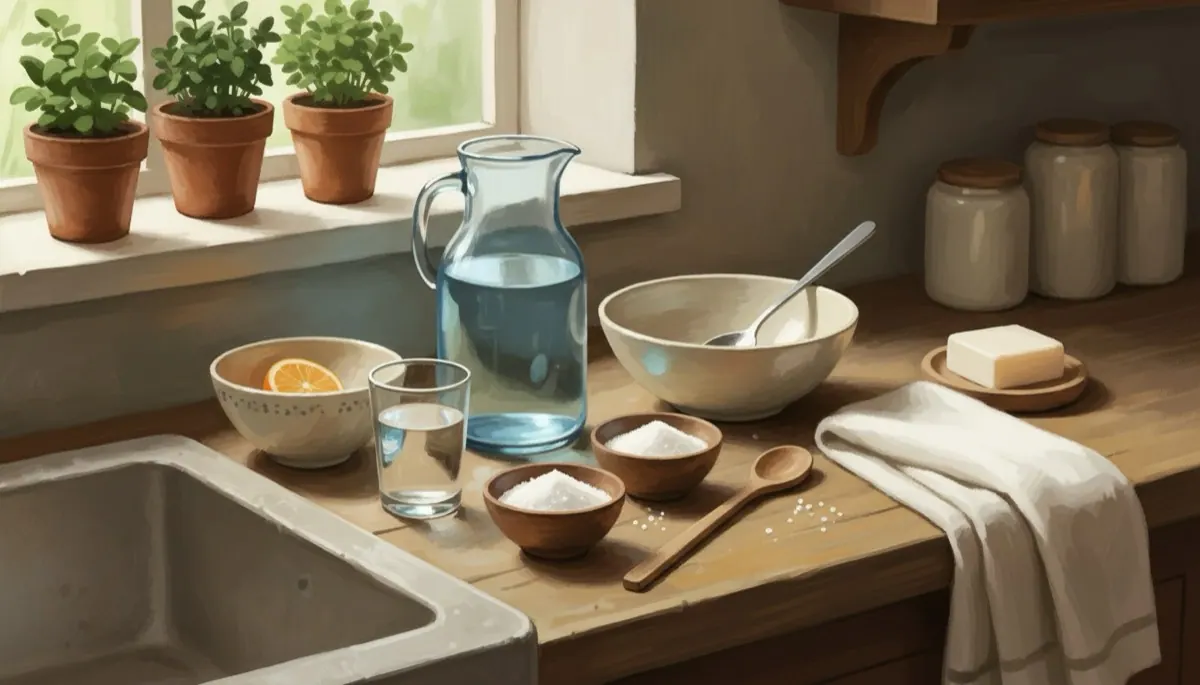
- Recognise the signs of dehydration in adults, children and older people
- Make and give the WHO home oral rehydration drink
- Prevent stomach bugs outdoors with handwashing and safe water
Signs of dehydration
Dehydration comes from sweating, vomiting, diarrhoea or simply not drinking enough. Early signs are thirst, dark yellow and strong-smelling urine, passing urine less often, a dry mouth, tiredness, headache and dizziness when standing up. More serious signs are very little or no urine, sunken eyes, confusion, a fast heartbeat and extreme drowsiness. Babies, young children and older people become dehydrated far more quickly than healthy adults, and may not tell you they are thirsty. Check urine colour: pale straw is good, dark means drink more.
The WHO home rehydration drink
Plain water replaces fluid, but not the salts lost in diarrhoea and vomiting. A pharmacy oral rehydration sachet is best, so carry some. If you have none, the WHO home recipe is: 1 litre of clean, safe water, 6 level teaspoons of sugar and half a level teaspoon of salt, stirred until dissolved. Measure carefully: too much salt is harmful, especially to children. Give small sips often, even if they are vomiting: a spoonful every minute or two usually stays down. Make a fresh batch each day. Keep eating simple food when they can.
When to get a doctor urgently
Most stomach bugs pass in a few days. Get professional help urgently, or call your local emergency number (112 in Europe), if there is blood in the vomit or stools, vomiting that stops any fluid staying down, severe tummy pain, a high fever, confusion or drowsiness, or no urine for many hours. Be much quicker with babies and young children: few wet nappies, no tears, a sunken soft spot on a baby's head, floppiness or unusual sleepiness all need a doctor now. Older people and anyone with a long-term illness also need earlier help. Never give anti-diarrhoea medicine to a child unless a professional tells you to.
Preventing stomach bugs outdoors
Most outdoor stomach bugs come from dirty hands and unsafe water. Wash hands with soap and water after the toilet and before touching food; hand gel is a backup, and it does not work against every bug. Treat all stream, river and lake water by boiling, filtering or chemical treatment, however clear it looks. Keep food covered and cool, cook it thoroughly and do not share cups or cutlery with someone who is ill. Go to the toilet at least 60 metres from water and bury waste. A first-aid course will round off everything in this skill.
Check yourself
6 level teaspoons of sugar and half a level teaspoon of salt in 1 litre of clean water.
Small, frequent sips are far more likely to stay down.
Babies dehydrate fast. Few wet nappies and drowsiness need medical help now.
Clear water can still carry the bugs that cause diarrhoea. Always treat it.
Try it for real: Mix and taste the drink
- Measure 1 litre of clean water, 6 level teaspoons of sugar and half a level teaspoon of salt
- Stir until dissolved and taste it so you know what it should be like
- Buy a few oral rehydration sachets for your first-aid kit
- Add soap and a small towel to your outdoor kit
🛒 Gear for this skill
As an Amazon Associate I earn from qualifying purchases. It costs you nothing extra and keeps this site free.
Next lesson: Wildfire: Before, During, After →
Written and checked by the Human Skills team against the sources below. How we check our content
- World Health Organization oral rehydration guidance
- NHS guidance on dehydration and diarrhoea
- British Red Cross first aid