Human Skills
Sprains, Breaks and Splints
Support the injury, improvise a splint, protect the spine
6 minIntermediateUpdated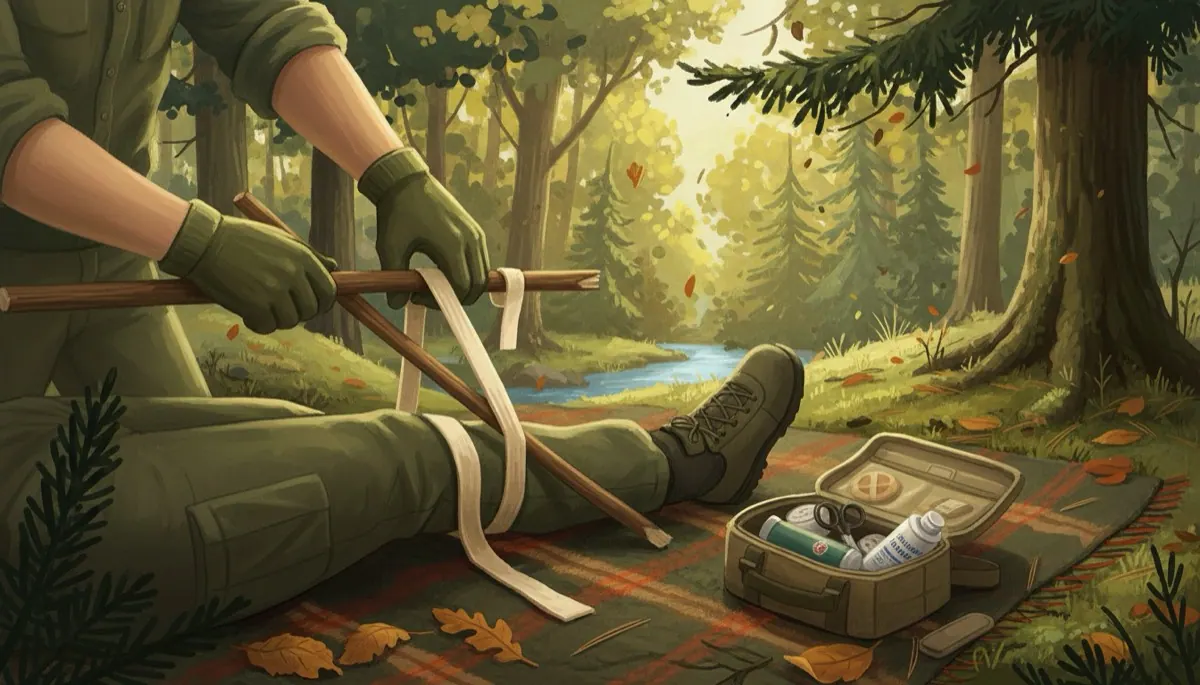
- Tell the likely difference between a sprain and a fracture
- Improvise a padded splint that immobilises the joints above and below
- Know when to leave a casualty exactly where they are
Sprain or break?
Out on a trail you cannot X-ray anything, so treat it as a fracture if in doubt. Suspect a break if there was a heavy fall or impact, a snap was heard, the limb looks bent or shortened, there is severe pain at one spot, the casualty cannot put any weight on it, or bone is visible. Sprains usually swell and bruise around a joint and hurt when moved, but can often bear a little weight. Either way, stop, support the injured part in the most comfortable position and call for help if the casualty cannot move safely on their own.
RICE, with caveats
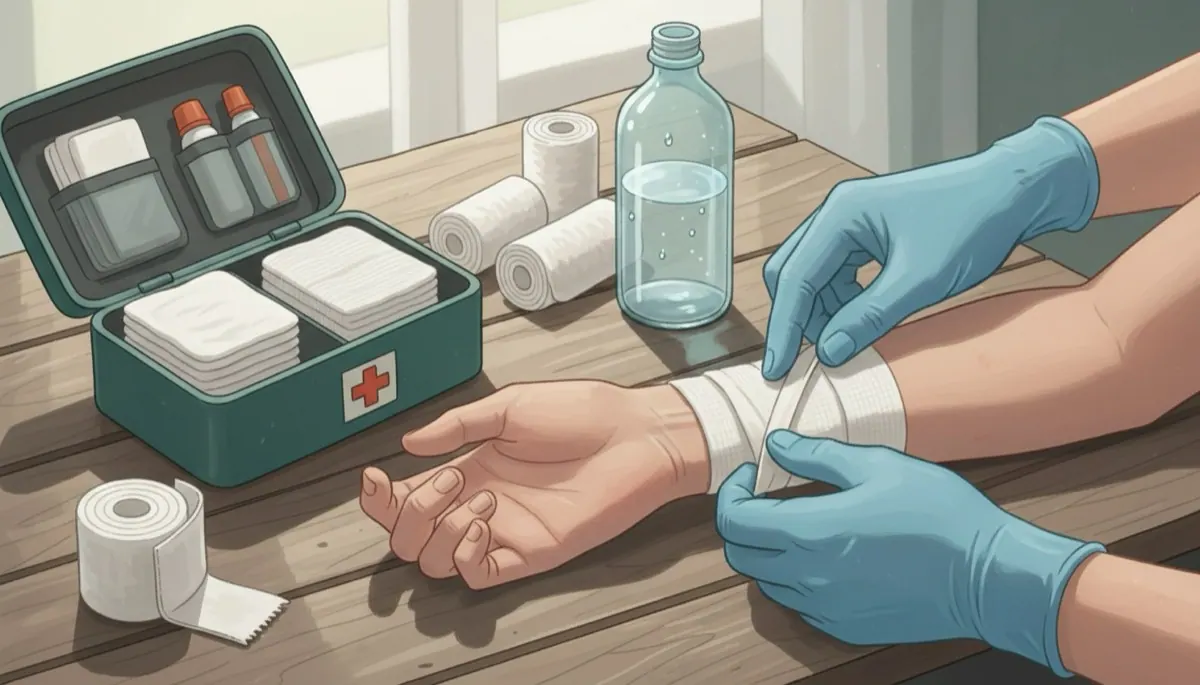
For sprains and strains, the old advice of rest, ice, compression and elevation still helps in the first day or two. Rest the injury. Cool it with a cold pack or cold water wrapped in a cloth for up to 20 minutes at a time, never ice straight on skin. A firm, not tight, bandage can reduce swelling, but loosen it if fingers or toes go numb, pale or blue. Raise the limb when resting. In the cold, skip the ice: keeping the casualty warm matters more. If pain is severe or does not improve in a few days, get it checked by a professional.
Improvising a splint
A splint stops broken ends moving, which reduces pain and damage. Use anything rigid: a trekking pole, a rolled sleeping mat, sticks, a rolled magazine. Pad it well with clothing so nothing presses on bone. Immobilise the joint above and the joint below the break: for a forearm, the wrist and the elbow. Tie it with strips of cloth or tape above and below the injury, never over it. A broken arm can go in a sling, and a leg can be tied to the good leg with padding between. After splinting, check circulation beyond it: warm, pink skin and feeling in the fingers or toes. If not, loosen the ties.
Suspected spine injury: don't move them
Suspect a neck or back injury after a fall from height, a diving accident, a high-speed crash, or if the casualty has neck or back pain, tingling, weakness or numbness in the limbs. Do not move them unless they are in real danger, such as rising water or rockfall, or you need to open their airway. Tell them to keep still, kneel behind their head and hold it gently in line with the body. Call your local emergency number (112 in Europe) and wait. Moving a spinal casualty safely takes a trained team. A first-aid course will let you practise splints and head support properly.
Check yourself
Always the joint above and the joint below, so the broken ends cannot move.
Pale, numb toes mean blood flow is restricted. Loosen and recheck.
Wrap it and limit the time to avoid cold injury to the skin.
Suspected spinal injury: do not move them unless there is danger. Wait for trained help.
Try it for real: Splint a friend's arm
- Gather a rolled mat or magazine, some clothing for padding and a few strips of cloth
- Splint a healthy volunteer's forearm, immobilising wrist and elbow
- Check their fingers are warm, pink and have feeling
- Add a sling from a scarf or jacket, then take it all off
🛒 Gear for this skill
As an Amazon Associate I earn from qualifying purchases. It costs you nothing extra and keeps this site free.
Next lesson: Burns, Heat and Sun →
Written and checked by the Human Skills team against the sources below. How we check our content
- St John Ambulance
- British Red Cross first aid
- NHS guidance on sprains and strains