 Human Skills
What to Do When the Power Fails
The first hour, the first night and keeping food and people safe
5 minIntermediateUpdated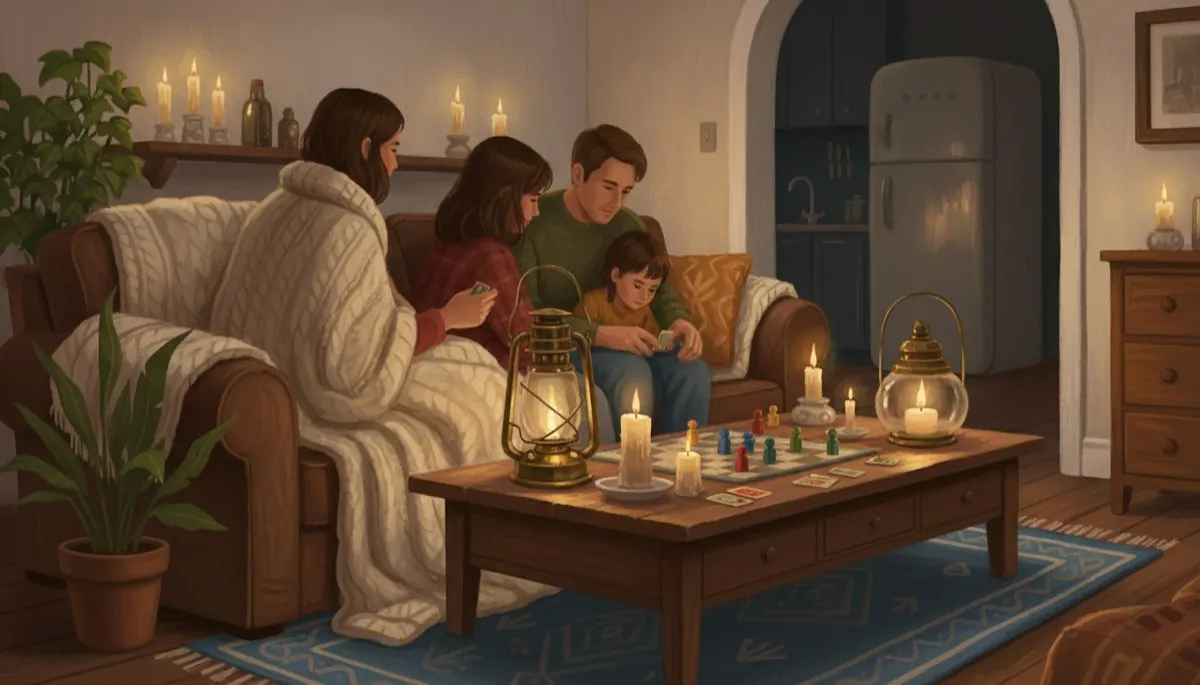
- Work through the first-hour checklist calmly
- Keep food safe and know when to throw it away
- Use light, heat and cooking safely without electricity
The first hour
Check whether the whole street is dark or only your home; if only yours, look at the consumer unit for a tripped switch. Report the outage to your electricity distributor, whose emergency line is printed on your bill, and check their website or radio for an estimated restoration time. Switch off and unplug appliances that were running, especially heaters, cookers and computers, so a surge on restoration does not damage them, but leave one light switched on so you know when power returns. Get your head torches out and put your phone on low-power mode. Then check on any neighbour who lives alone or depends on medical equipment.
Keeping food safe
Keep the fridge and freezer doors shut. A closed fridge keeps food safe for about 4 hours; a full freezer stays frozen for about 48 hours, a half-full one for 24. After that, use a thermometer: any perishable food, meat, fish, dairy, cooked leftovers, that has been above 4 degrees Celsius for more than 2 hours should be thrown away, even if it looks and smells fine. Food that still contains ice crystals can be refrozen. If you have warning, freeze water bottles to fill freezer gaps and turn the fridge to its coldest setting. When in doubt, throw it out; food poisoning during an outage is a bad combination.
Light and phones
LED torches and head torches are safer than candles, which start hundreds of house fires every year. If you must use candles, put them in a sturdy holder on a plate, away from curtains, and never leave them lit in an empty room or overnight. Keep phones for essential calls and information; turn off Bluetooth, dim the screen and use text messages, which get through jammed networks better than calls. A car can charge a phone through its socket, run with the engine going in the open air, never in a garage. A wind-up radio gives you official updates without draining anything.
Heat and cooking without risk
Never bring a barbecue, camping stove, generator or patio heater indoors or into a garage, even with a window open. They produce carbon monoxide, which is colourless, odourless and kills people in their sleep every winter. Cook outside on a balcony or in the garden, or eat cold food from your kit. To stay warm, gather everyone into one small room, close doors and curtains, wear layers and hats indoors, and use blankets and sleeping bags. Body heat in a small room with the door shut makes a surprising difference. If you have a fireplace or wood stove, use it, but keep the flue open and the room ventilated.
Water, heat and medical needs
Electric pumps and treatment plants may stop with the power, so fill containers and the bath while pressure lasts, and follow the water storage lesson. In hot weather an outage is a heat emergency: close blinds during the day, open windows at night, wet clothing, and check on elderly neighbours every few hours. Anyone relying on powered medical equipment, oxygen concentrators, home dialysis or refrigerated medicines should call their provider's emergency line immediately and, if needed, go to a hospital or a friend with power. Insulin keeps at room temperature for a limited time; check the packaging and ask a pharmacist.
Check yourself
An unopened fridge holds a safe temperature for around 4 hours; after that, perishable food above 4 degrees for over 2 hours should go.
Power often returns with a surge; unplugging protects electronics and prevents heaters or cookers from switching on unattended.
Any fuel-burning device indoors or in a garage produces carbon monoxide, which is invisible and can kill in hours.
If ice crystals remain the food has stayed cold enough to refreeze; fully thawed perishable food should be discarded.
Try it for real: Run a two-hour practice outage
- One evening, switch off the lights and unplug non-essential appliances for two hours
- Make dinner from your emergency kit food without using the cooker
- Find and use your torches, radio and power bank, and note what is missing
- Save your electricity distributor's emergency number and write a fridge and freezer note with the 4-hour and 48-hour rules
🛒 Gear for this skill
As an Amazon Associate I earn from qualifying purchases. It costs you nothing extra and keeps this site free.
Next lesson: What to Do When Communications Fail →
Written and checked by the Human Skills team against the sources below. How we check our content
- Red Cross power outage guidance
- CDC food safety during a power outage
- ANEPC Portuguese Civil Protection
Related lessons
Building an Emergency Kit
Everything your household needs for 72 hours in one place
Basic First Aid Principles
Stay safe, check, call, then help until professionals arrive
What to Do When Communications Fail
Reach the people who matter when phones, data and internet are down
Household Emergency Plan and Risk Assessment
Work out what could actually happen where you live and prepare for that