Human Skills
Watering Without Mains Pressure
Gravity drip, ollas, basins and wicking beds
6 minIntermediateUpdated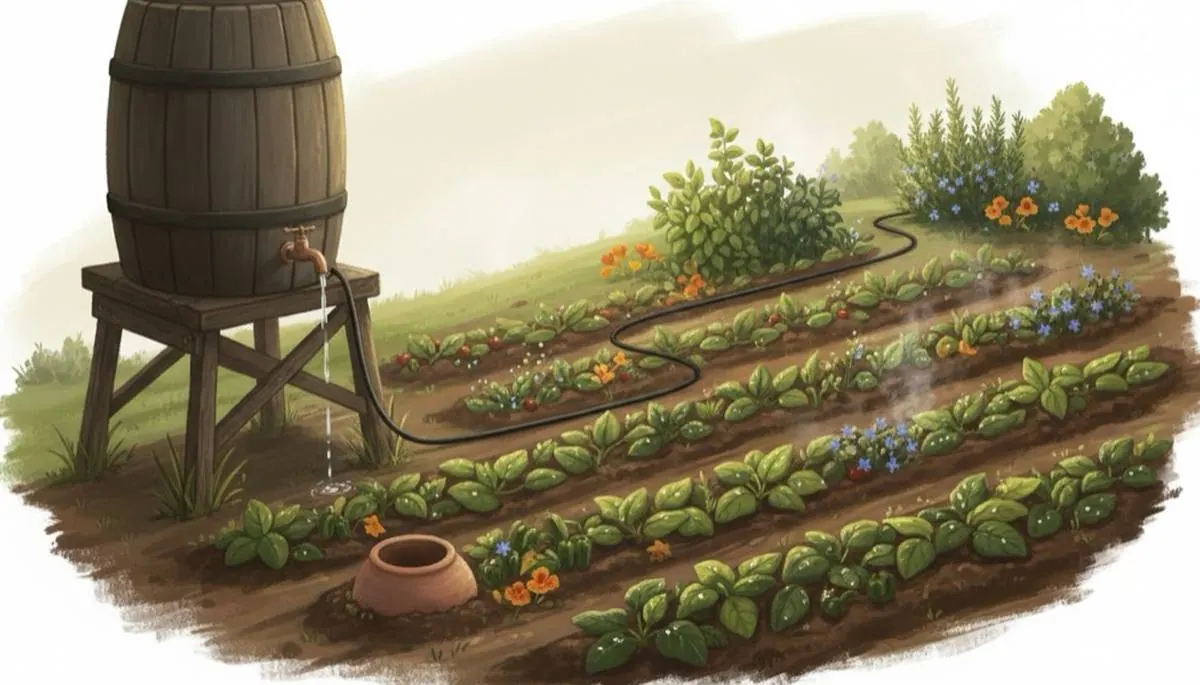
- Run a drip line from a tank on gravity alone
- Choose between ollas, basins and wicking beds for your site
- Name the cost and the failure point of each system
Gravity drip from a tank
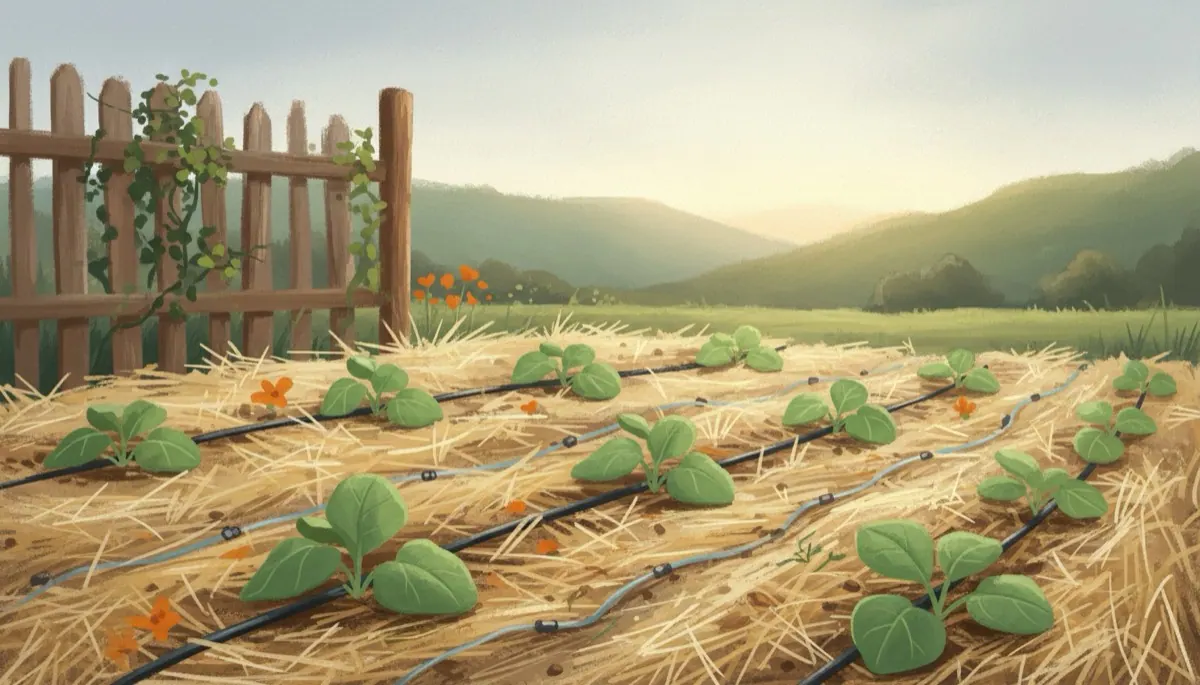
Drip works at low pressure, but not at no pressure. Ordinary pressure-compensating emitters need about 1 bar, which is 10 metres of head, far more than most tanks give. Use low-pressure or non-compensating drip tape rated from 0.1 to 0.3 bar, and raise the tank so the outlet sits at least 1 to 2 metres above the bed; every metre of height gives 0.1 bar. Keep runs short, under 15 to 20 metres, and use 16 mm or larger supply pipe so friction does not eat the head. Fit a 120 mesh filter at the tank outlet, because the emitters are the first thing to block. Typical output is 1 to 2 litres per hour per emitter at 30 cm spacing, so a 10 metre line delivers roughly 30 to 60 litres an hour.
Ollas and buried clay pots
An olla is an unglazed clay pot buried to its neck and filled with water, which seeps through the porous wall only as the surrounding soil dries. Efficiency is very high, around 90 percent, because nothing evaporates from the surface and nothing goes below the root zone. A 5 litre olla waters a circle roughly 60 to 90 cm across, so one serves two or three tomato plants; a 10 litre one covers up to 1.2 metres. Refill every 3 to 7 days depending on heat. Cost is 10 to 25 euros each bought, or near nothing made from two cheap terracotta pots glued rim to rim with the drain hole plugged. Failure points: the pot cracks in frost if left full over winter, roots can wrap and block it, and the clay clogs with lime in hard water.
Sunken basins and furrows
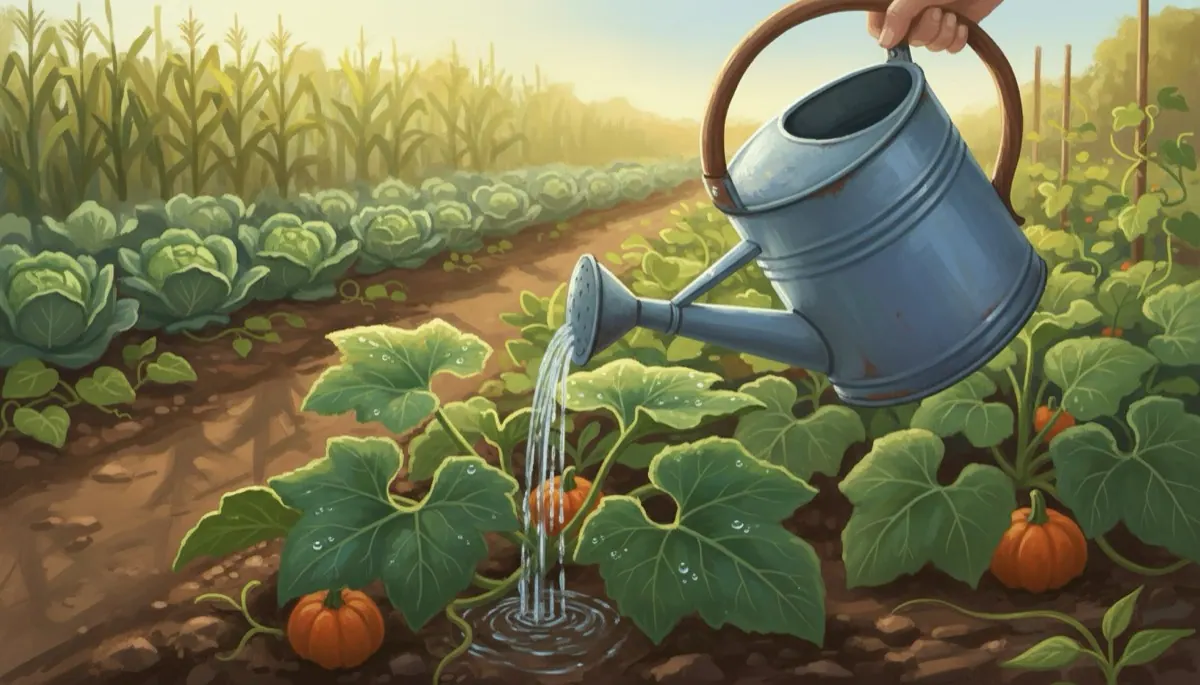
The oldest method and still one of the best where water arrives in bursts. Plant into a shallow saucer 10 to 15 cm deep and 60 to 100 cm across, or run furrows 15 to 20 cm deep between ridges, and flood them. Water concentrates at the roots, soaks deep, and the surrounding soil stays dry, which suppresses weeds. A 1 metre basin holds around 50 to 80 litres in one fill. It costs nothing but a hoe and is ideal for squash, melons, sweetcorn and young trees. The failure points are real: on heavy clay the basin waterlogs and rots stems, on a slope furrows scour, and the sides need remaking after heavy rain. Keep the stem itself on a small mound inside the basin.
Wicking beds
A wicking bed is a sealed container with a gravel reservoir 15 to 20 cm deep at the bottom, a geotextile layer, then 30 cm of soil above, plus an overflow at the top of the gravel and a fill pipe down into it. Water wicks upward through capillary action, which in most soils lifts reliably 25 to 30 cm, so never build the soil layer deeper than that. A 1 by 2 metre bed holds 100 to 150 litres in the reservoir and can run one to three weeks between fills, making it the best answer if you leave the place for a fortnight. Materials cost 50 to 150 euros a bed. Failure points: a blocked overflow drowns the roots, and salts build up over years, so leach it with a heavy top watering once a season.
Choosing and combining
Match the system to the crop and the site. Gravity drip suits long rows of annual vegetables and is the best litres-to-labour ratio, but needs a tank, a filter and yearly maintenance. Ollas suit widely spaced fruiting crops and are unbeatable for reliability with no moving parts. Basins suit trees, melons and squash on flat ground where water comes in big irregular amounts. Wicking beds suit small intensive salad growing and long absences. Most holdings end up with two or three: drip on the main beds, ollas in the tomato and melon rows, basins around the fruit trees. Every one of them needs mulch on top, since without it you can lose a quarter of what you apply from the surface.
Check yourself
Each metre of head gives about 0.1 bar, which is why low-pressure drip tape and a raised tank are needed for gravity systems.
A 5 litre olla wets a circle about 60 to 90 cm across, enough for two or three tomato plants, and needs refilling every 3 to 7 days.
Water wicks upward roughly 25 to 30 cm in typical soil, so anything deeper leaves a permanently dry top layer.
Emitters clog with sediment and algae, which is why a 120 mesh filter at the tank and a seasonal flush of the line are essential.
Try it for real: Install one low-pressure system
- Measure the height difference between your tank outlet and the bed and work out the head in bar
- Either fit low-pressure drip tape with a 120 mesh filter on one bed, or bury two ollas in the tomato row
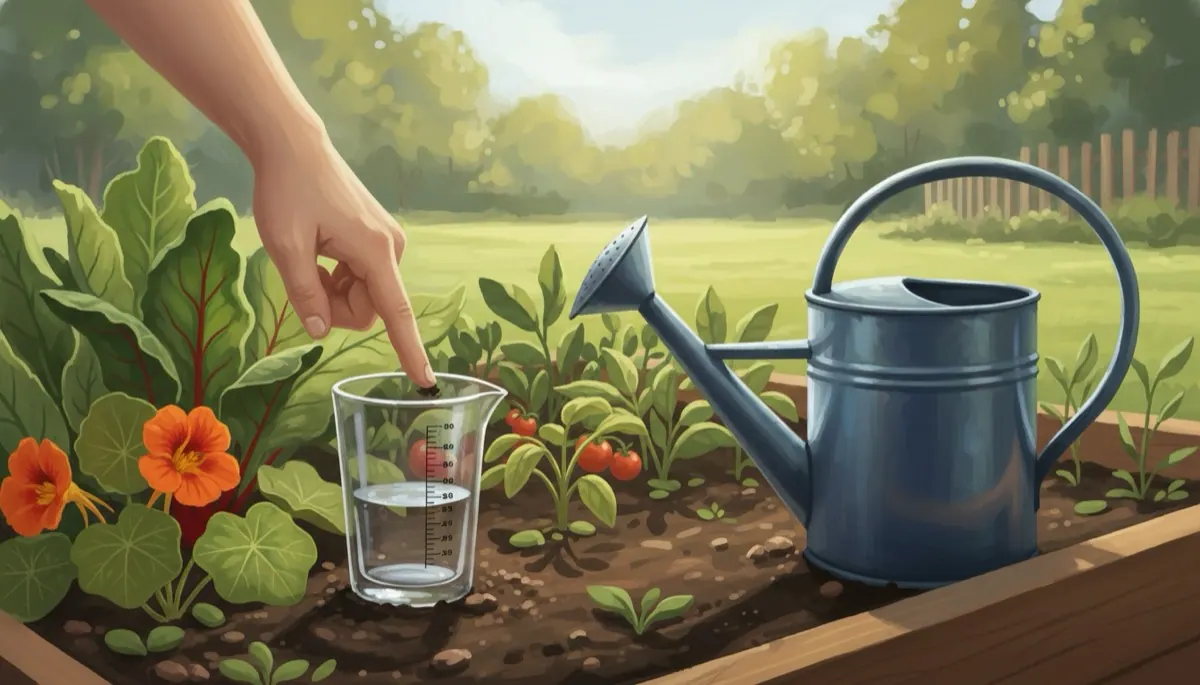
- Run it for an hour and dig a trowel slot to see how far the water has spread sideways and down
- Mulch the bed 5 cm deep and repeat the test to see the difference
- Write the refill or run time you settled on next to the tank
🛒 Gear for this skill
As an Amazon Associate I earn from qualifying purchases. It costs you nothing extra and keeps this site free.
Next lesson: Growing With Almost No Water →
Written and checked by the Human Skills team against the sources below. How we check our content
- FAO Irrigation and Drainage Paper 56
- RHS Water Saving in the Garden
- University of Arizona Cooperative Extension