Human Skills
Bites, Stings and Allergic Reactions
Ticks, vipers, wasps and anaphylaxis
7 minIntermediateUpdated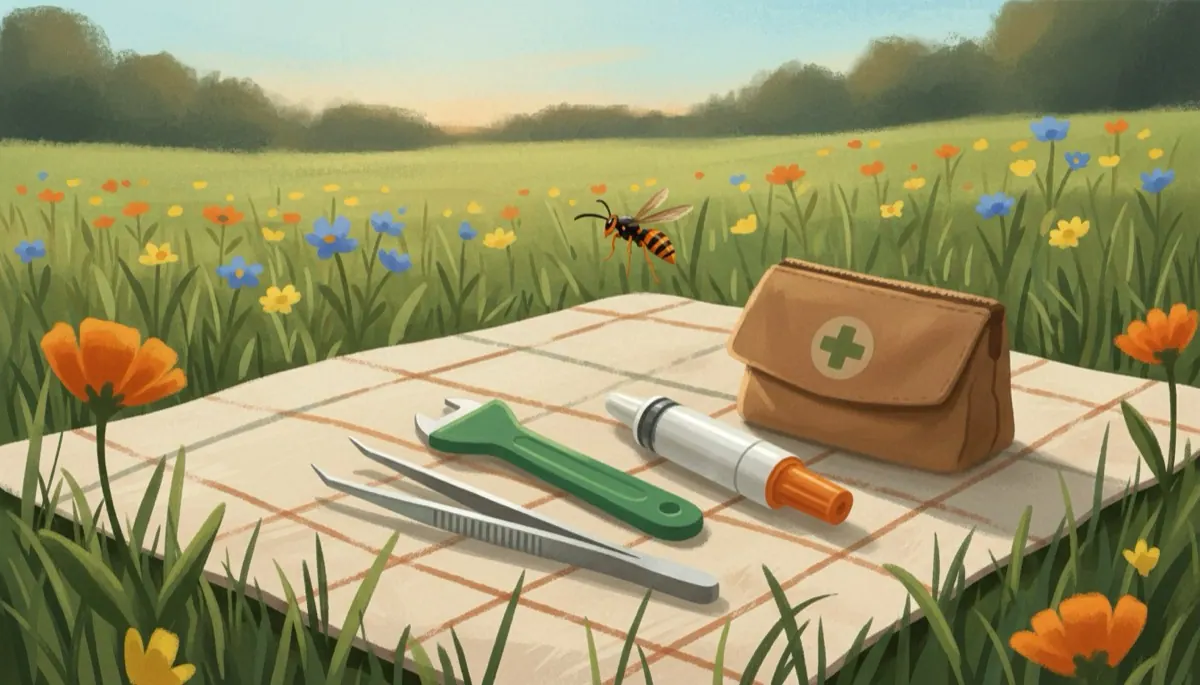
- Remove a tick safely and know what to watch for afterwards
- Give correct first aid for a snake bite and a bee or wasp sting
- Recognise anaphylaxis and help someone use their adrenaline auto-injector
Ticks
Check your whole body for ticks after walking in long grass or woodland, including behind the knees, in the groin, armpits, hairline and behind the ears. Remove any tick as soon as possible. Use a tick-removal tool or fine-tipped tweezers: grip it as close to the skin as you can and pull straight up, slowly and steadily, without twisting or squeezing its body. Do not burn it, smother it in oil or use alcohol. Clean the bite and your hands. Over the following weeks, watch for a spreading red rash, often like a bullseye, or flu-like symptoms. Either one means see a doctor and mention the tick bite.
Adder and viper bites
Europe's vipers, including the adder, rarely kill, but every bite needs medical assessment. Keep the person calm and as still as possible, because movement spreads venom. Call your local emergency number (112 in Europe). Remove rings, watches and tight clothing near the bite before it swells. Keep the bitten limb still and at about heart level. Do not cut the wound, do not try to suck out venom, do not apply a tourniquet, and do not put ice on it. Do not try to catch or kill the snake. Note the time of the bite and any symptoms, and carry them out rather than letting them walk if you can.
Bee and wasp stings
A bee leaves its sting behind. Scrape it out sideways with a fingernail or a card edge as soon as you can, rather than pinching it. Wasps do not leave a sting. Wash the area, apply a cold compress for 10 to 20 minutes and raise the limb if it swells. Painkillers or an antihistamine from a pharmacy can help with pain and itching, but only take them exactly as directed on the pack. Stings in the mouth or throat are dangerous because swelling can block the airway: call your local emergency number (112 in Europe).
Anaphylaxis and auto-injectors
Anaphylaxis is a severe allergic reaction that can kill within minutes. Watch for swelling of the lips, tongue or throat, difficulty breathing or wheeze, a hoarse voice, feeling faint, pale clammy skin, collapse, often with a widespread rash. Call your local emergency number (112 in Europe) and say "anaphylaxis". If they carry an adrenaline auto-injector, help them use it: remove the safety cap, press the tip firmly into the outer middle of the thigh, through clothing if needed, and hold as the device instructions say. Lie them down with legs raised, or sit them up if breathing is hard. If there is no improvement after 5 minutes and they have a second injector, use it. Antihistamine tablets are not a treatment for anaphylaxis. A first-aid course lets you practise with a trainer injector.
Check yourself
Steady, straight pulling close to the skin removes the whole tick without squeezing it.
Stillness slows the venom. Cutting, sucking, tourniquets and ice all do harm.
The outer thigh is the standard site, and it works through clothing.
This is anaphylaxis. Adrenaline and emergency help, not antihistamine alone.
Try it for real: Bite and sting readiness
- Add a tick-removal tool to your first-aid kit
- After your next walk, do a full tick check, including hairline and behind the knees
- If someone you know carries an auto-injector, ask them to show you how their trainer pen works
- Look for a first-aid course that includes anaphylaxis practice
🛒 Gear for this skill
As an Amazon Associate I earn from qualifying purchases. It costs you nothing extra and keeps this site free.
Next lesson: Dehydration, Stomach Bugs and a Home Rehydration Drink →
Written and checked by the Human Skills team against the sources below. How we check our content
- NHS guidance on tick bites, snake bites and anaphylaxis
- Resuscitation Council UK
- British Red Cross first aid