 Human Skills
Reading Weather and Lightning Safety
Clouds, wind and pressure, and the 30-30 rule for storms
5 minIntermediateUpdated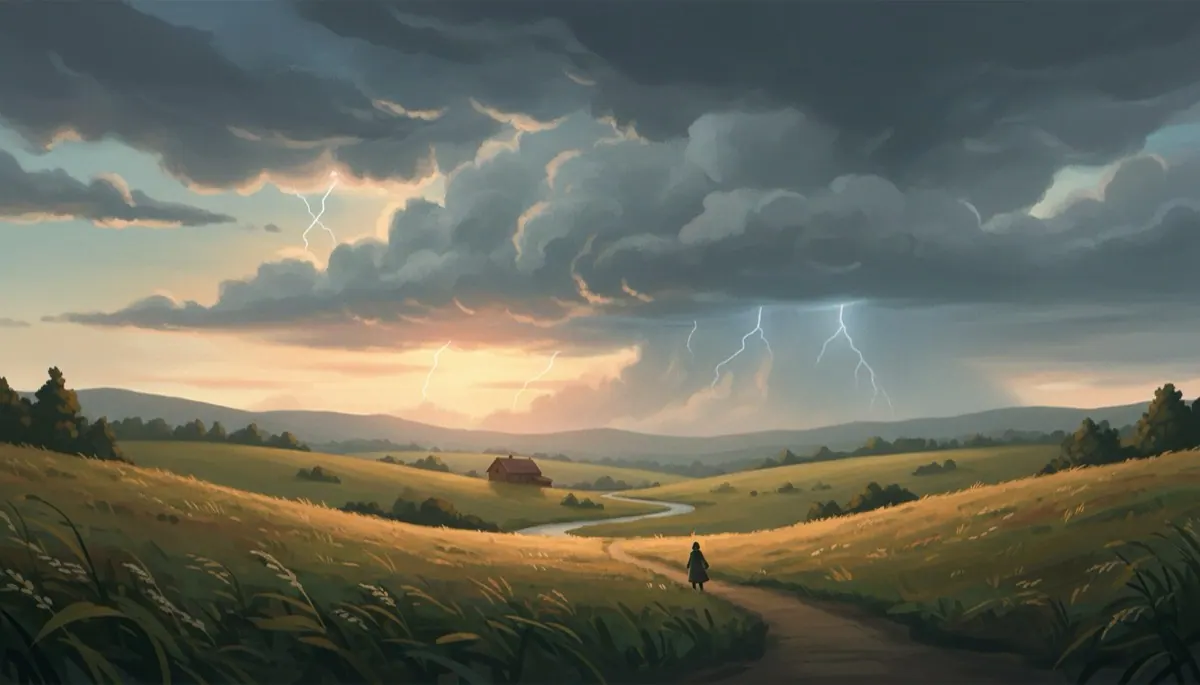
- Recognise the cloud types that signal changing weather
- Use wind, pressure and forecasts to decide whether to go
- Apply the 30-30 rule and find a safer place in a thunderstorm
Start with the forecast, then watch the sky
Modern forecasts are accurate for a day or two, so check an official national forecast before any outdoor plan and note the timing of fronts, the wind strength and the chance of thunderstorms. Then use your eyes to confirm or challenge it during the day, because mountains, coasts and valleys make their own local weather. The two questions that matter are: is it getting worse, and how fast? Cloud changing from thin and high to thick and low over a few hours, wind picking up and backing, and a sudden drop in temperature all say a front is arriving. Turn back early; weather rarely improves on the way.
Reading clouds
High wispy cirrus, like brushed hair, often means a front is 12 to 24 hours away. A thin white sheet that puts a halo around the sun or moon means rain within a day. Thick grey layers lowering over hours bring steady rain. Puffy white cumulus in the morning is fine weather, but if those clouds tower upwards through the day into cauliflower shapes with dark bases, thunderstorms are building, typically peaking mid to late afternoon. An anvil-shaped top means the storm is mature. A lens-shaped cloud sitting over a summit warns of very strong winds up high even when the valley is calm.
Wind and pressure
Wind tells you what is coming. In western Europe, a wind that swings from south-west round to north-west with a drop in temperature usually marks a cold front passing, with showers behind it. Strengthening wind through the day, especially on ridges, makes walking dangerous long before rain arrives; gusts above 60 kilometres per hour can knock an adult over. A barometer or phone pressure sensor is the most useful instrument you own: a fall of more than 3 hectopascals in three hours means unsettled weather is coming soon, and a fast fall means a storm. Rising pressure means improvement.
Lightning: the 30-30 rule
Lightning kills dozens of people a year in Europe, most of them outdoors in summer afternoons. Count the seconds between a flash and its thunder; every 3 seconds is about 1 kilometre. If the count is 30 seconds or less, the storm is within 10 kilometres and you are in the danger zone: move to safety immediately. Stay there until 30 minutes after the last thunder, because strikes often come from the edges of a storm that seems to be passing. Do not wait for rain. Lightning can strike more than 15 kilometres from the cloud, under clear sky, so a dark cloud in the distance is your cue to move.
Where to go and what to avoid
The safest places are a substantial building with wiring and plumbing, or a hard-topped vehicle with the windows up. Outdoors, get off summits and ridges, away from lone trees, fences, poles and open water, and out of caves or rock overhangs where current can jump across the gap. A dense stand of even-height trees or a low point away from water is the least bad option. If you are caught in the open with your hair standing on end, crouch on the balls of your feet with your heels together, head down, on a mat or rucksack, and keep group members 15 metres apart. Never lie flat. Someone struck by lightning carries no charge; start first aid and call emergency services at once.
Check yourself
Towering cumulus growing through the day is a thunderstorm building; expect it to peak in the afternoon.
Three seconds per kilometre gives 6 kilometres, well inside the 30 second danger zone. Move to shelter immediately.
Strikes often come from the trailing edge of a storm, so wait 30 minutes after the last thunder.
A metal vehicle body carries current around you. Lone trees, overhangs and high points are all strike risks.
Try it for real: Keep a one-week sky diary
- Each morning, read your national forecast and write down the predicted wind and rain
- At midday and evening, photograph the sky and name the main cloud type
- Note when clouds thickened or lowered and whether rain followed within 24 hours
- During any storm, practise counting flash to thunder from indoors
🛒 Gear for this skill
As an Amazon Associate I earn from qualifying purchases. It costs you nothing extra and keeps this site free.
Next lesson: Building an Emergency Kit →
Written and checked by the Human Skills team against the sources below. How we check our content
- NOAA National Weather Service lightning safety
- IPMA Portuguese Institute for Sea and Atmosphere
- Met Office weather guidance
Related lessons

Finding Water Outdoors
Where water hides and how to read the land for it

Making Water Safe to Drink
Boiling, chemicals and filters, with the right times and doses
Catching Rain in an Emergency
Tarps, gutters, first flush and which roofs to avoid

Storing and Treating Rainwater
Keep it clean, keep it dark, and always treat before drinking