Human Skills
Brassicas for Winter
Cabbage, kale, broccoli and cauliflower sown in summer
6 minIntermediateUpdated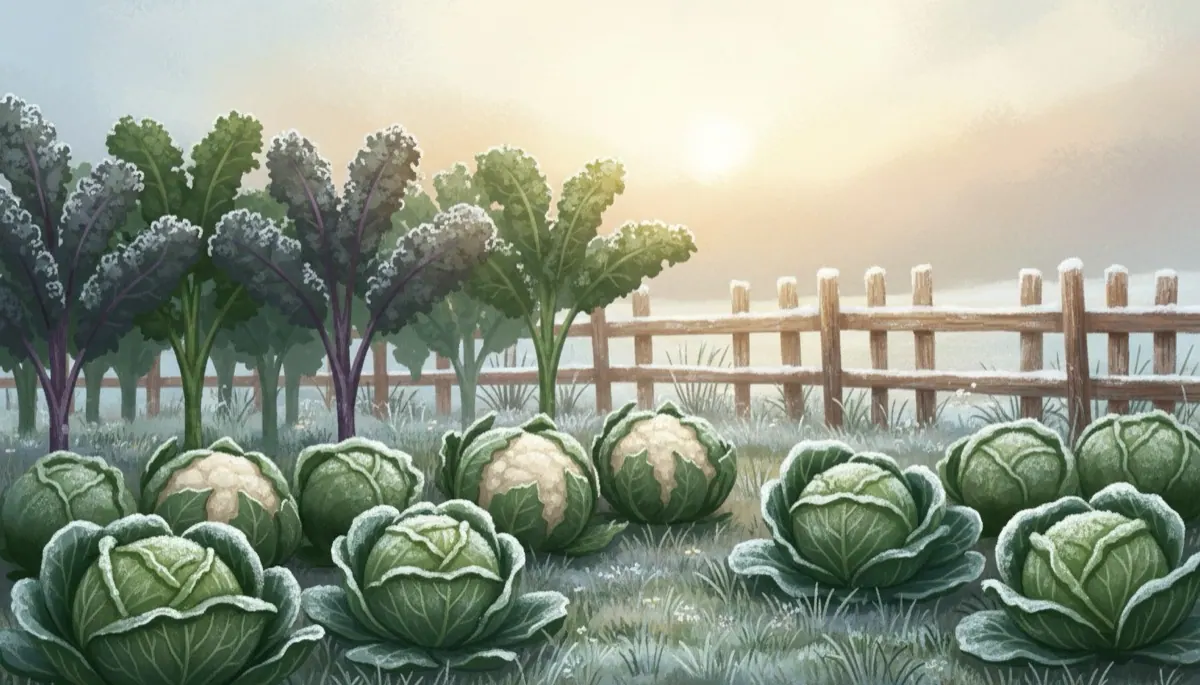
- Sow brassicas in mid to late summer for winter and spring eating
- Net and protect a crop that every pest wants
- Recognise club root and manage it for years
Sow in summer, eat in winter
Brassicas take a long time and are sown far earlier than people expect. Count backwards: a winter cabbage needs 20 to 30 weeks, kale 12 to 20, purple sprouting broccoli almost a full year, autumn cauliflower 15 to 20. That means sowing roughly 14 to 20 weeks before your first frost, which lands in the middle of summer when the beds are full and the garden feels finished. Sow into modules or a small nursery bed rather than the final position, then transplant when plants have four or five true leaves, 6 to 8 weeks later. Water the transplants in hard and firm the soil tightly around each one.
Space and feeding
These are large plants that need room and food. Kale and sprouting broccoli want 45 to 60 cm each way, winter cabbage 45 cm, cauliflower 60 cm. Crowd them and you get small heads and mildew. They are hungry for nitrogen, so plant after peas or beans and add a bucket of well-rotted compost per square metre before planting. They also want a firm, limed soil near pH 6.5 to 7.0. A top dressing of nitrogen in late winter pushes spring growth on overwintered plants. Earth up the stems of tall kale and sprouting broccoli and stake them, because winter wind rocks the roots loose.
Netting is not optional
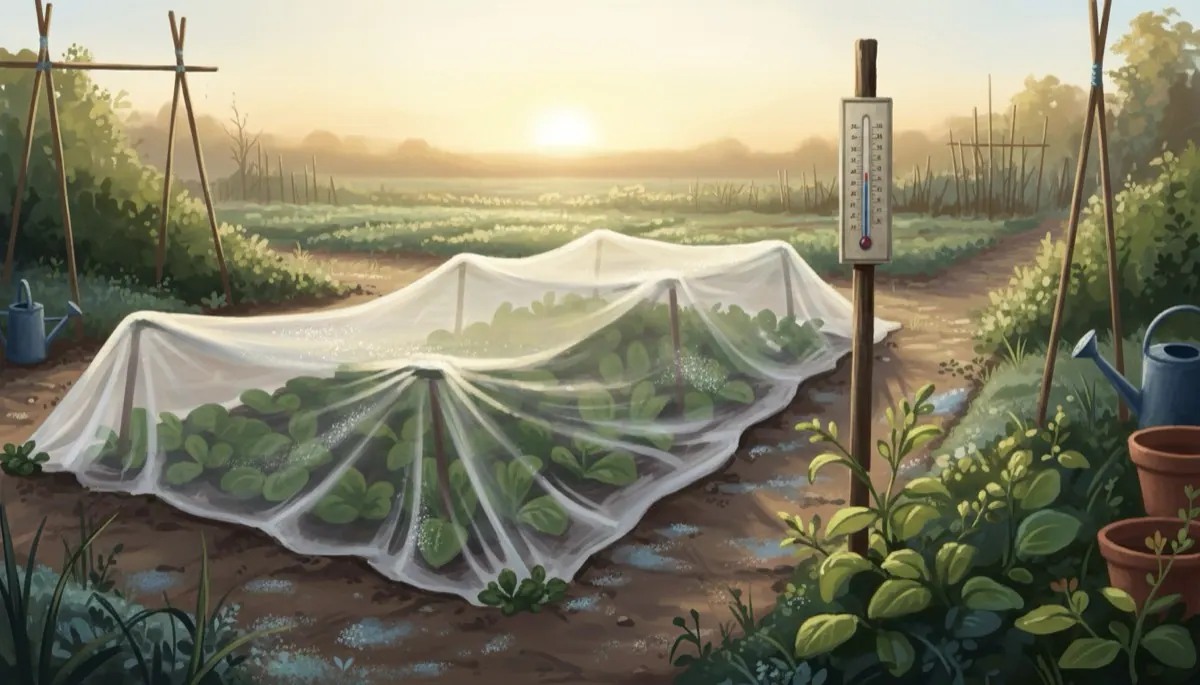
Cabbage white butterflies will find your plants and reduce them to skeletons in a fortnight. Cover from the day you transplant with fine insect mesh of about 1.3 mm, held clear of the leaves on hoops, with the edges pinned right down to the soil. That same mesh stops pigeons, which strip winter brassicas to the ribs in a cold week, and cabbage root fly, which is the reason young plants suddenly wilt and lift out with no roots. A 12 cm collar of card or carpet underlay around the stem base stops root fly where mesh is not practical. Check under leaves weekly for clusters of yellow eggs.
Club root, the long problem
Club root is a soil organism that swells roots into useless knobbly lumps, stunts the plant and stays in the ground for up to twenty years. There is no cure. Manage it instead: rotate brassicas on a four year cycle, lime the bed to pH 7.0 or a little above because the organism dislikes alkaline soil, improve drainage, and never move soil or plants from an infected plot. Raise plants in large pots so they go out with a strong root system. Buy plants only from a trusted source, since bought modules are the usual way it arrives. Some modern varieties are sold as club root resistant and are worth the extra cost.
The backbone of a mild winter
In a mild climate brassicas are what make winter a real season rather than a pause. Kale, cavolo nero, savoy cabbage, spring cabbage, sprouting broccoli and cauliflower keep cropping when nothing else does, and frost genuinely improves the flavour of kale and sprouts by converting starch to sugar. Harvest kale leaf by leaf from the bottom and the plant keeps producing for months. Cut a cabbage and leave the stump with a cross cut in it and you often get a second flush of small heads. Pick sprouting broccoli every few days: leave the spears and the plant flowers and stops.
Check yourself
They need a long season to size up before day length drops, so they are sown while summer crops are still in the ground.
Fine insect mesh held clear of the leaves also keeps out pigeons and cabbage root fly.
There is no cure, so the answer is rotation, liming toward pH 7.0, good drainage and resistant varieties.
Hardy brassicas convert starch to sugar as an antifreeze, which makes them noticeably sweeter.
Try it for real: Set up a winter brassica bed
- Sow kale and winter cabbage into modules in midsummer
- Prepare a firm, limed bed where peas or beans grew this year
- Transplant at four or five true leaves, firming hard and watering in
- Cover immediately with 1.3 mm insect mesh on hoops, edges pinned down
- Stake tall plants in autumn and harvest leaf by leaf through winter
🛒 Gear for this skill
As an Amazon Associate I earn from qualifying purchases. It costs you nothing extra and keeps this site free.
Next lesson: Summer Fruiting Crops →
Written and checked by the Human Skills team against the sources below. How we check our content
- RHS Brassica Growing and Club Root
- Cornell University Vegetable Growing Guides
- FAO Vegetable Production Guidelines