Human Skills
Cool Season and Warm Season
Why timing beats effort in the vegetable garden
5 minBeginnerUpdated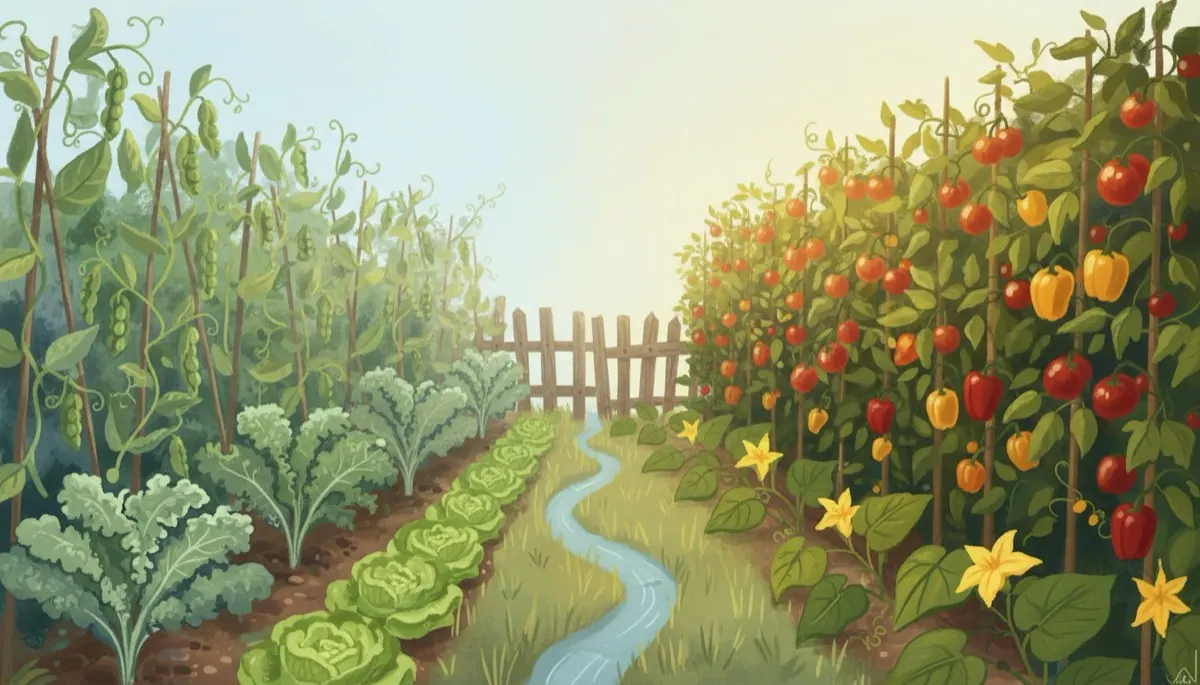
- Sort any vegetable into cool season or warm season
- Explain what hardy, half-hardy and tender mean
- Pick a sowing window instead of guessing a date
Two halves of the year
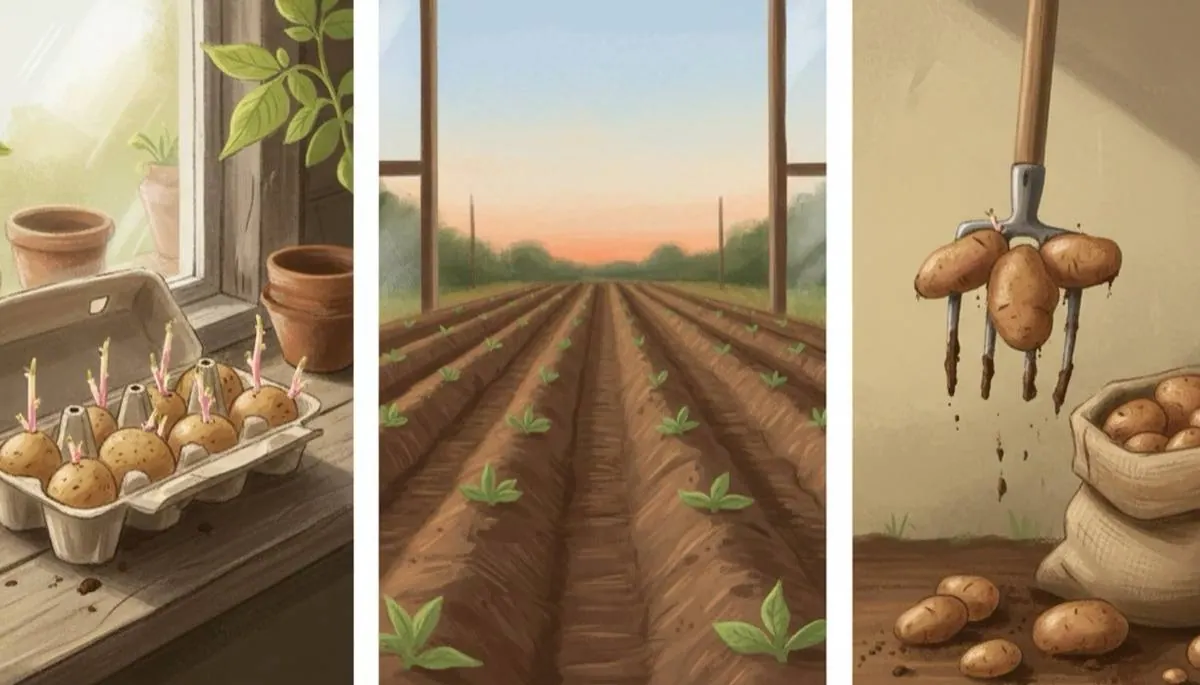
Vegetables fall into two groups, and almost every beginner mistake comes from mixing them up. Cool season crops grow best when air sits between 10 and 20 degrees Celsius: lettuce, spinach, peas, broad beans, cabbage, kale, carrots, onions, potatoes. Warm season crops need 18 to 30 degrees and will not move below 12: tomatoes, peppers, aubergines, courgettes, cucumbers, beans, sweetcorn, melons. A cool season crop planted into midsummer heat bolts, turns bitter and dies. A warm season crop planted into cold soil sits there, sulks and often rots. Nothing you do with feed, water or attention fixes a crop planted in the wrong half of the year.
Hardy, half-hardy, tender
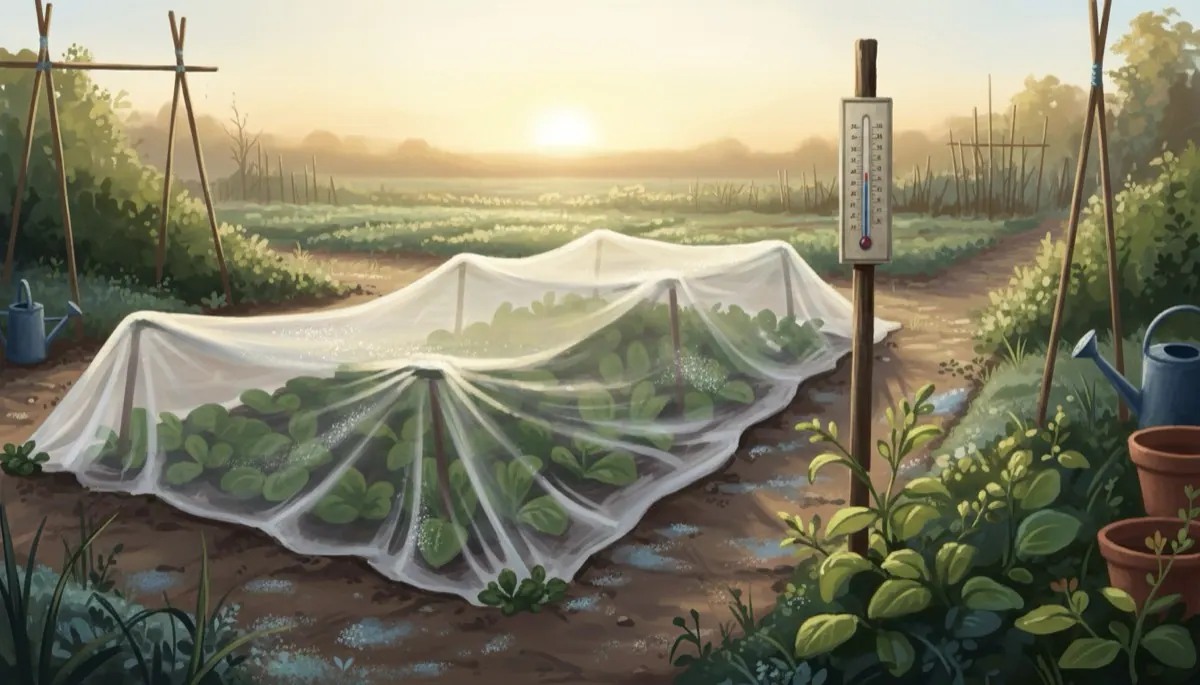
Hardy plants survive frost. Kale, leeks, parsnips, spring cabbage and broad beans take minus 5 to minus 10 degrees, and some taste sweeter afterwards because cold turns their starch into sugar. Half-hardy plants tolerate cold nights near zero but are killed or checked by a real frost: lettuce, potatoes once the shoots are up, beetroot, chard. Tender plants die at the first frost and stop growing well below about 10 degrees: tomatoes, peppers, basil, courgettes, beans, squash. Seed packets use these three words constantly and rarely explain them. Once you know them you can read any packet and work out your own dates.
Sow by window, not by date
Good instructions give you a window relative to something real, not a calendar date. Tender crops are sown indoors six to eight weeks before your last frost and planted out two weeks after it. Hardy crops are sown as soon as the soil is workable in late winter, or in late summer about ten to twelve weeks before the first frost, so they size up before the light fades. Cool season crops sown once the day length passes roughly fourteen hours tend to bolt: the plant senses long days and rushes to flower. Translate every packet into weeks before or after your own frost dates and the advice travels anywhere on Earth.
What the plant is actually doing
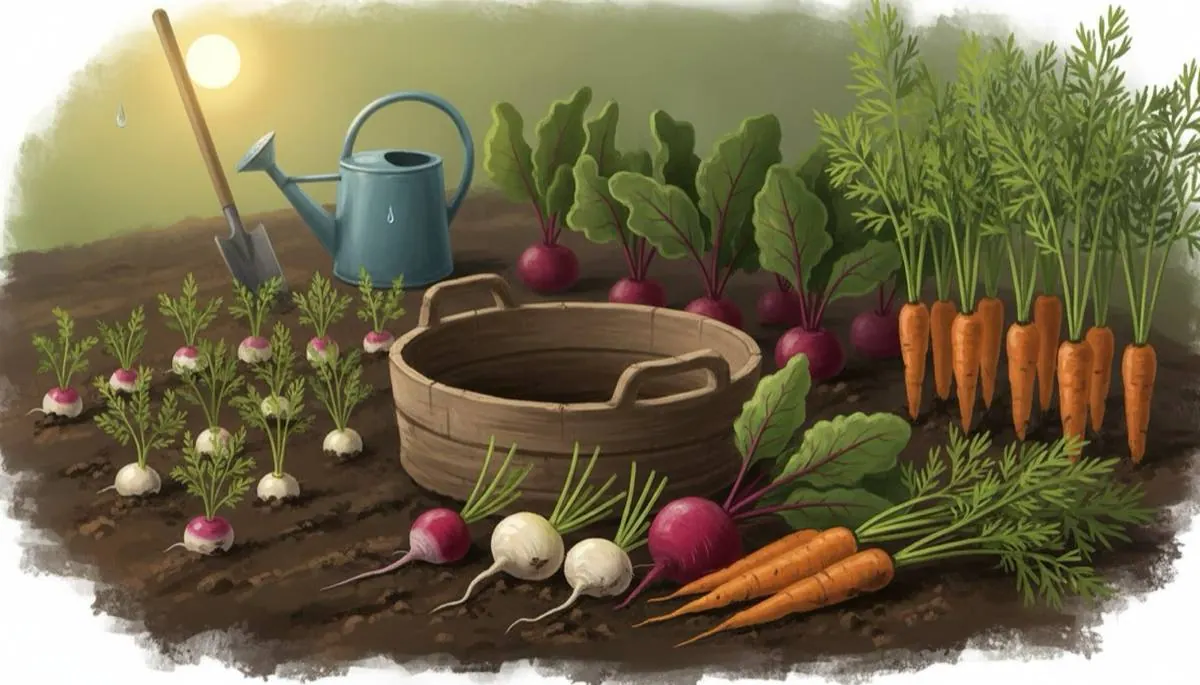
You are always harvesting one part of a plant, and that decides the season. Leaves and roots build up in cool, moist, shorter days, which is why lettuce, spinach and carrots do well in spring and autumn. Fruit needs heat and long days because the plant must flower, get pollinated and ripen sugar, which is why tomatoes and peppers belong to summer. Flower heads like broccoli and cauliflower sit in between: they grow leaves in cool weather then form a head as conditions change. If a crop is grown for its leaf or root, cool it. If it is grown for its fruit, warm it.
Two seasons, or three
Most temperate gardens run two main seasons: a cool spring into early summer, then a warm summer into autumn, with a hardy winter crop overwintering in the ground. Mediterranean gardens run three, because summer is the hostile season rather than winter. There you have a spring window, a summer fruiting window, and a long generous autumn to spring window that does the work a northern spring does. The Crop Guide on this site gives each vegetable its own months by climate zone, and the Planting Calendar puts them in order for your zone. Use those once you understand which half of the year a crop belongs to.
Check yourself
Spinach grows best between about 10 and 20 degrees Celsius and bolts quickly in summer heat and long days.
Half-hardy crops such as potato shoots and lettuce cope with chilly nights but are checked or killed by frost.
Six to eight weeks indoors gives a sturdy plant ready to go out once frost risk has passed.
Long days plus warmth signal the plant to flower and set seed, which makes leaves bitter and roots woody.
Try it for real: Sort your seed box
- Empty every seed packet you own onto a table
- Make two piles: cool season and warm season
- Inside each pile, sort into hardy, half-hardy and tender
- Write your last and first frost dates on a card
- Pencil a sowing window on each packet in weeks before or after those dates
🛒 Gear for this skill
As an Amazon Associate I earn from qualifying purchases. It costs you nothing extra and keeps this site free.
Next lesson: Frost Dates, Heat and Day Length →
Written and checked by the Human Skills team against the sources below. How we check our content
- RHS Vegetable Growing Guides
- Cornell University Vegetable Growing Guides
- FAO Crop Water Information