Human Skills
Frost Dates, Heat and Day Length
The four numbers that decide what you can plant today
5 minBeginnerUpdated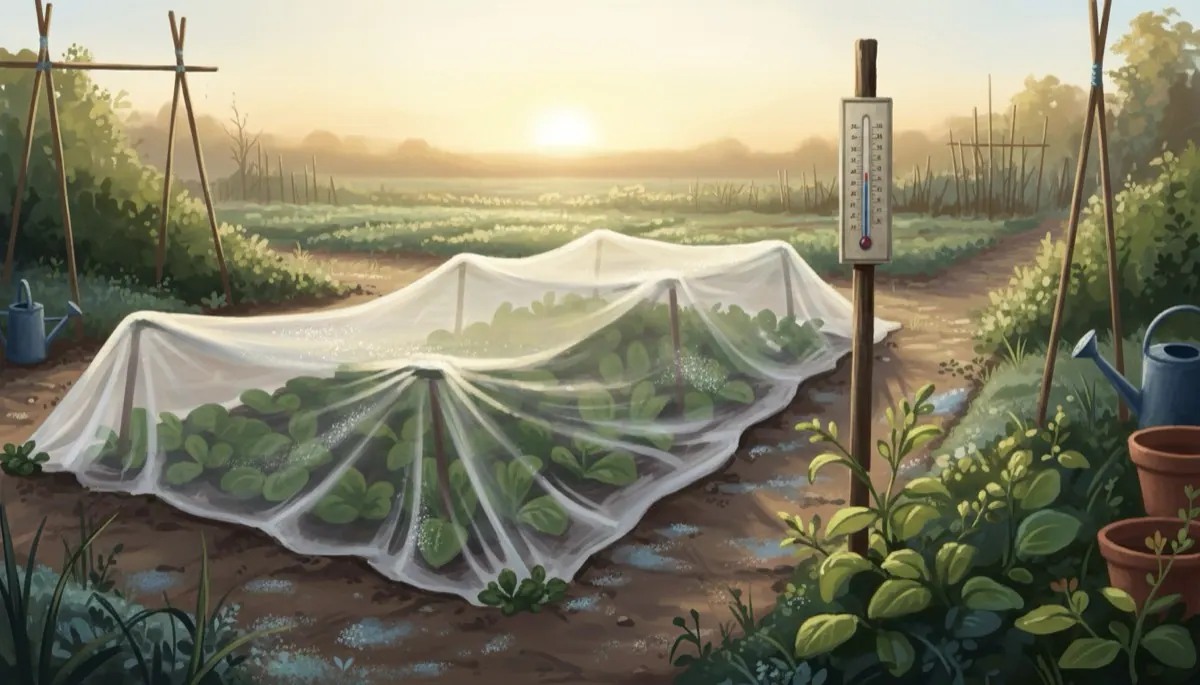
- Find your own first and last frost dates
- Use soil temperature instead of guessing
- Plan around the Mediterranean summer heat gap
Your two frost dates
Every planting calendar in the world hangs off two numbers: the average date of your last spring frost and the average date of your first autumn frost. The gap between them is your frost-free season. Get them from a national meteorological service, a university extension service, or by asking three gardeners in your village, who are often more accurate than a map. They are averages, not promises: in any given year frost can arrive two or three weeks either side. Treat the last frost date as the earliest sensible date for tender plants, not the safe one, and keep fleece handy for a fortnight afterwards.
Soil temperature beats air temperature
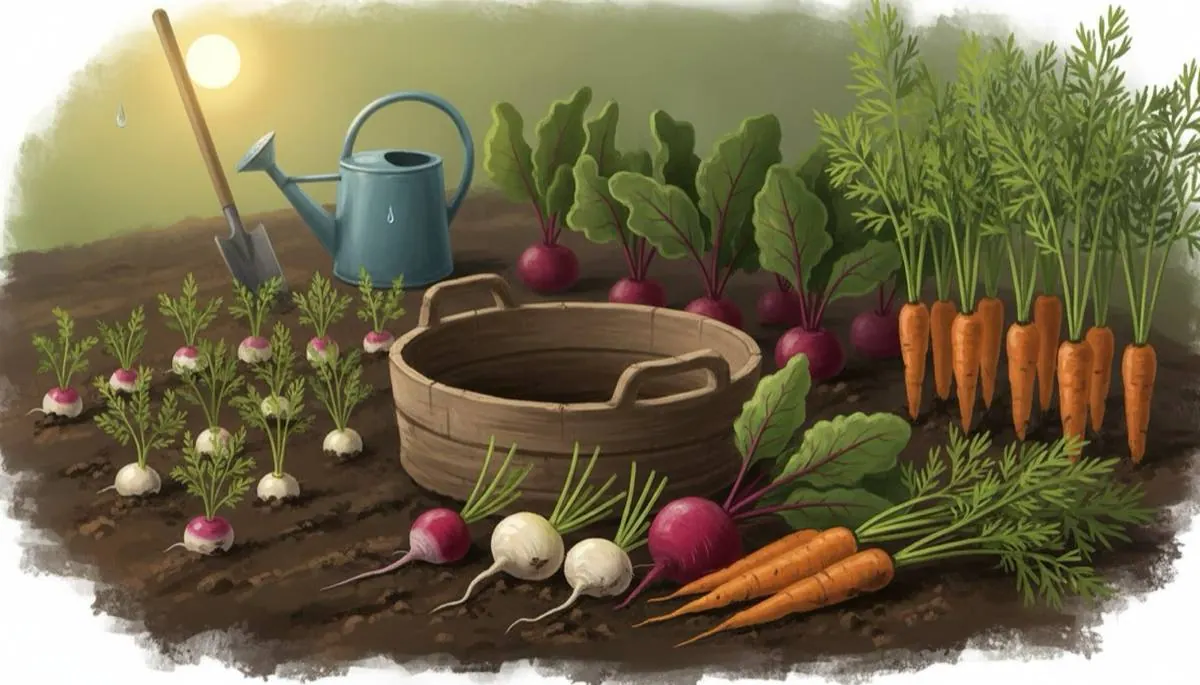
Seeds germinate on soil temperature, not on how warm the afternoon feels. Push a cheap probe or a kitchen thermometer 5 cm into the bed at about nine in the morning for three days and take the average. Peas and broad beans germinate from 5 degrees Celsius. Lettuce, carrots, beetroot and spinach from 7 to 10. Potatoes want 8 or above. Beans and sweetcorn want 15. Tomatoes, peppers, cucumbers and courgettes want 18, and peppers sulk for weeks if planted out into anything cooler. Sowing warm season seed into 10 degree soil usually gives rot, not a delayed crop.
Day length does half the work
Temperature is only one signal. Plants also measure day length, and that is why growth almost stops from late autumn to late winter even in mild places. Below about ten hours of daylight most vegetables hold rather than grow, which gardeners call the Persephone period. Anything you want to eat in January must have reached nearly full size before day length drops under that mark, so it is sown in late summer. Day length also triggers bolting in spring, and it decides when onions form bulbs. A greenhouse gives you warmth but it cannot give you light, so it does not remove this limit.
The Mediterranean problem in reverse
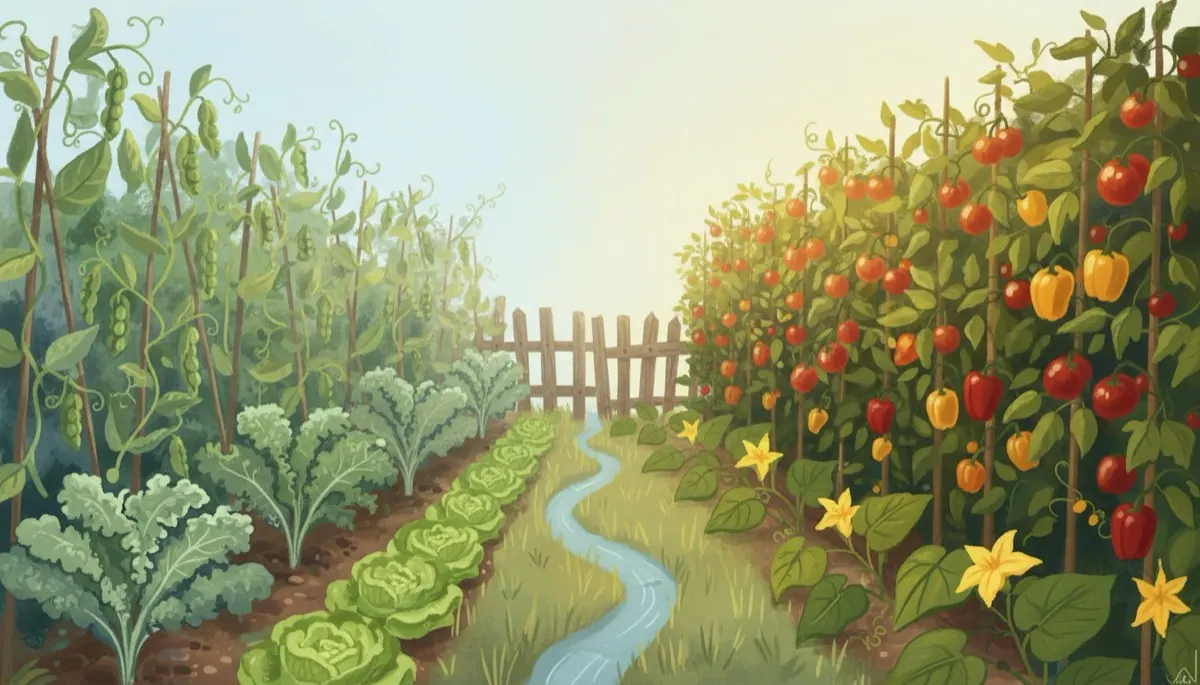
Northern gardeners plan around a winter gap. In Portugal, Spain, Greece and southern Italy the gap is in summer. From late June to early September, air above 32 degrees and soil that dries in a day mean lettuce bolts in days, spinach fails, brassicas stall and even tomatoes stop setting fruit. The productive seasons are spring and a long, generous autumn through winter. Treat July and August the way a northern gardener treats January: keep only what tolerates heat, such as tomatoes, peppers, aubergines, sweet potato, okra and New Zealand spinach, mulch hard, water deeply, and use 30 to 50 percent shade cloth over anything green.
Microclimate on your own plot
Frost and heat vary within a single garden. Cold air flows downhill and pools against walls and hedges, so the bottom of a slope frosts first and the top stays clear. A south-facing wall in the northern hemisphere, or a north-facing one in the southern, stores heat and can give you two extra weeks at each end. Paving and gravel radiate warmth at night. A gap in a hedge becomes a wind tunnel that dries and chills. Walk your plot on a frosty morning and photograph where the white lingers longest. That map is worth more than any regional average.
Check yourself
Below roughly 18 degrees these crops stall, and peppers can take weeks to recover from a cold start.
Under about ten hours plants hold rather than grow, so winter crops must be near full size before that point.
Extreme heat and drought stall most crops in high summer, while winter there stays productive.
Cold air is dense and flows downhill, pooling against walls and hedges at the lowest point.
Try it for real: Measure your own climate
- Look up your average last and first frost dates and write them down
- Take soil temperature 5 cm down at 9 am on three mornings and average it
- Walk the plot on a cold morning and photograph where frost lingers
- Mark the warmest wall and the coldest corner on a rough sketch
- Choose one crop you can sow this week based on those numbers
🛒 Gear for this skill
As an Amazon Associate I earn from qualifying purchases. It costs you nothing extra and keeps this site free.
Next lesson: The Potato Year →
Written and checked by the Human Skills team against the sources below. How we check our content
- RHS Frost and Frost Protection
- Instituto Portugues do Mar e da Atmosfera climate normals
- University of Minnesota Extension Soil Temperature and Planting